 loopbio

Motif - Video Recording System
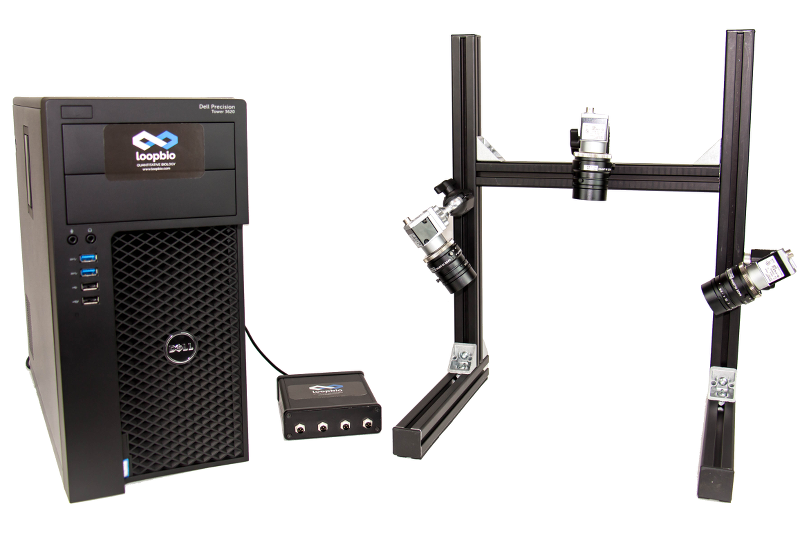
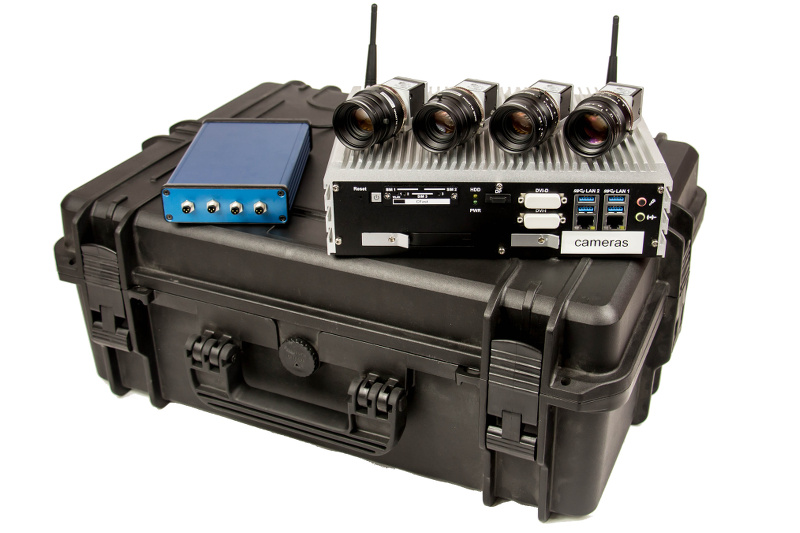
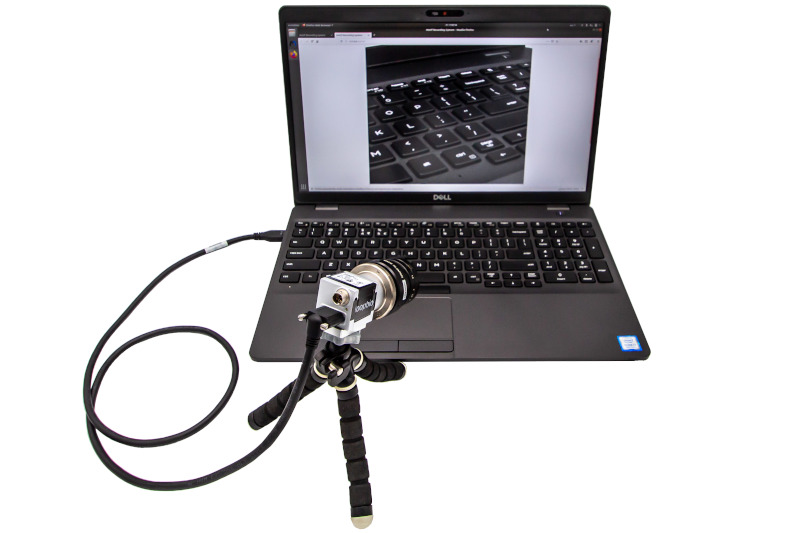
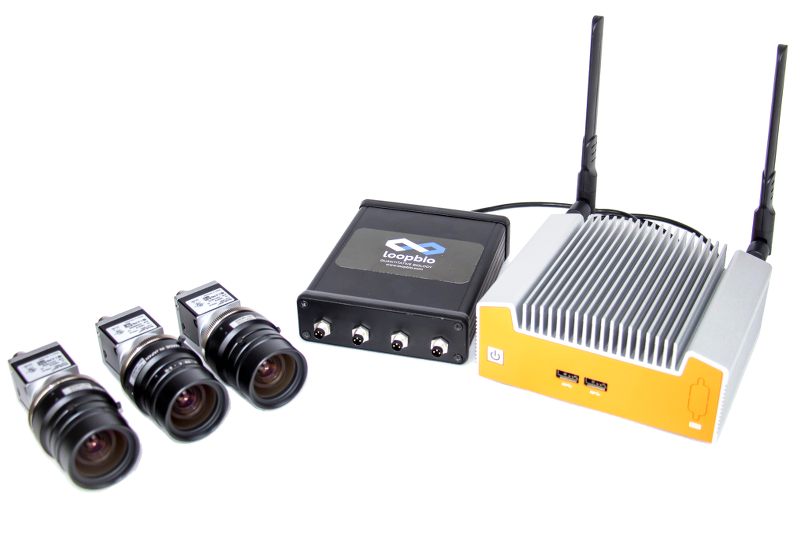
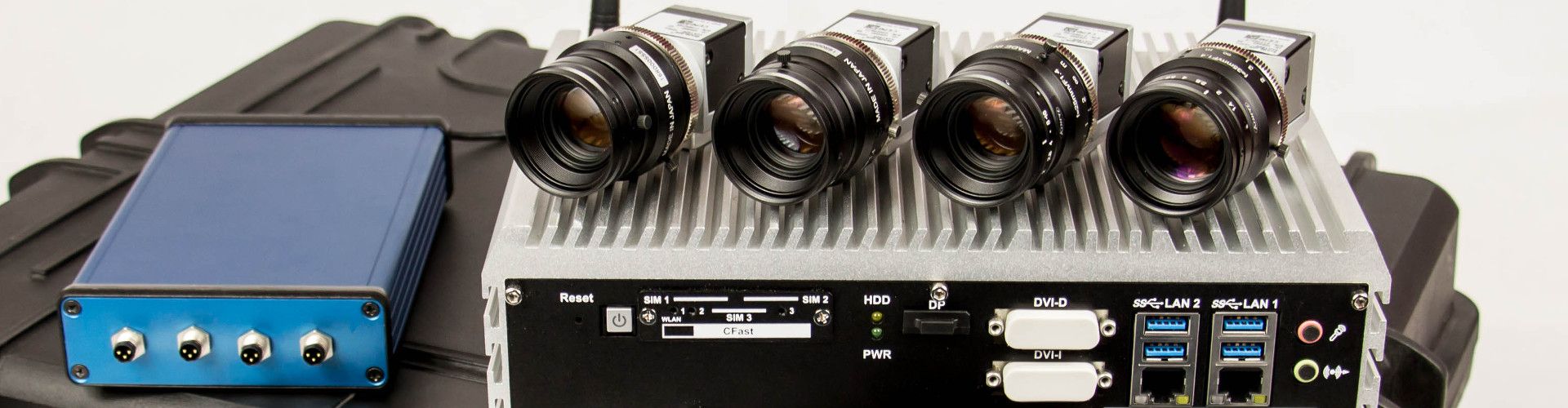
Motif is a video recording software offered as a complete system (software, camera, and computer together) for laboratory and field use. Designed specifically for the needs of quantitative biology research, Motif supports recording at exceptional image quality and at higher frame rates and resolutions than competing products. Motif can compress video in real-time to save on storage costs.
Good science needs good quality data. If you are a scientist and want to improve the quality of your video, reduce costs and save you time, Motif is perfect for you. For examples of how Motif is used by other scientists, check out the sample applications below.
Motif can be configured for single camera or multiple camera recording, and video recordings can be from seconds to weeks in duration. Multiple cameras can be connected to one PC, and multiple Motif systems can be connected together to record even larger spaces, or to record multiple views of the same experiment.
For pre-assembled assays including Motif, an enclosure, lighting, and optional optogenetic stimulus check out Kastl - Automated Observation Box.
Motif Key Features
- Extremely high quality. Recordings can be saved in many formats, raw, with lossless compression, or with exceptional quality industry standard h264/h265 codec (at qualities exceeding blue-ray)
- Other quantitative data (such as EEG, behavioral, or environmental measurements) can be recorded and easily synchronized with the video at sub-millisecond precision using our open source imgstore recording format
- Web-based user interface. Using your web browser, you can configure recording parameters and monitor experiment progress remotely using any Internet connected device (laptop, phone, or tablet)
- Unlimited recording duration. Videos can be as long as your experiment, no file-size or other artificial limits
- Experiment metadata and environmental measurements can be recorded in addition to the video
- Designed to be integrated with your IT infrastructure to ensure movies are backed up and saved on group network storage
- Synchronized capture of images from multiple cameras - ideal for 3D reconstruction or the creation of larger camera arrays
- Live feedback of camera and lighting configuration, including lighting uniformity and focus
- No per-user licenses. A Motif system can be used by the whole lab without extra cost
- Always up to date. New releases and bug-fix updates are automatically and instantly made available to users at no cost
- All Motif systems can be securely and programatically remote controlled using a simple HTTP interface (a Python library is also provided). The interface allows control and scheduling recordings, adjusting video parameters and much more
- Comprehensive documentation is provided online
- Input/Output support allows controling stimulus, measuring environmental data (temperature, light, humidity, etc, and viewing these values from the user interface
- Multiple camera manufacturers are supported, we can help you select the correct camera and lens for your application from Basler, FLIR, Ximea and many more
- Realtime image processing can be integrated with Motif to allow closed loop experiments. Image processing algorithms run in another program, separate to Motif, which improves stability - Motif will always record data reliably
- Experimental protocols, such as time and duration of recordings, stimulus (using Motif I/O support), and copying of data, can be defined once and run by Motif automatically
- No per-camera licences. Motif does not artificially restrict how many cameras you can use with a system (although optimal performance is constrained by PC hardware, number and configuration of cameras)
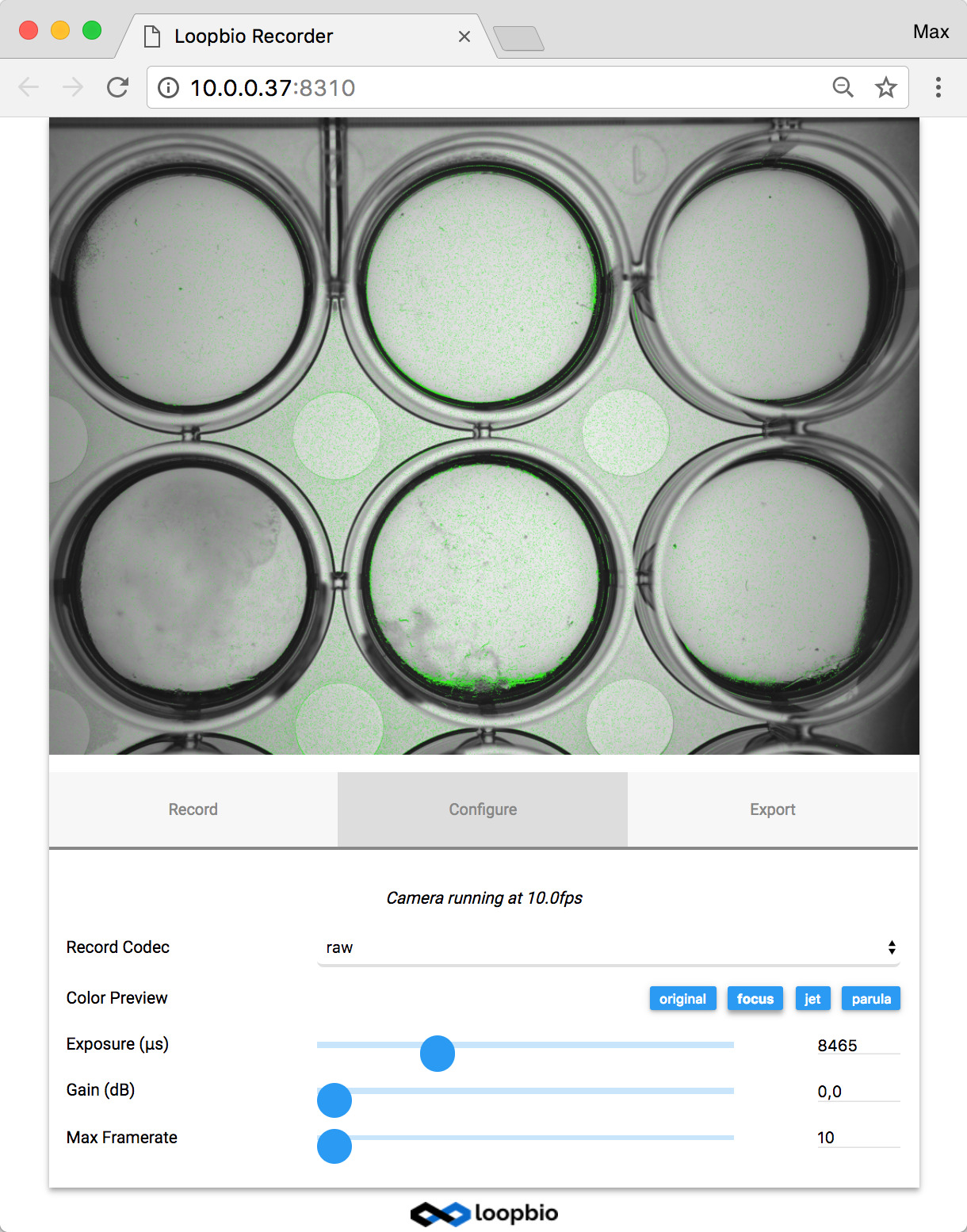
Focus display (green) and camera adjustment.

Enter experiment metadata and begin recording.
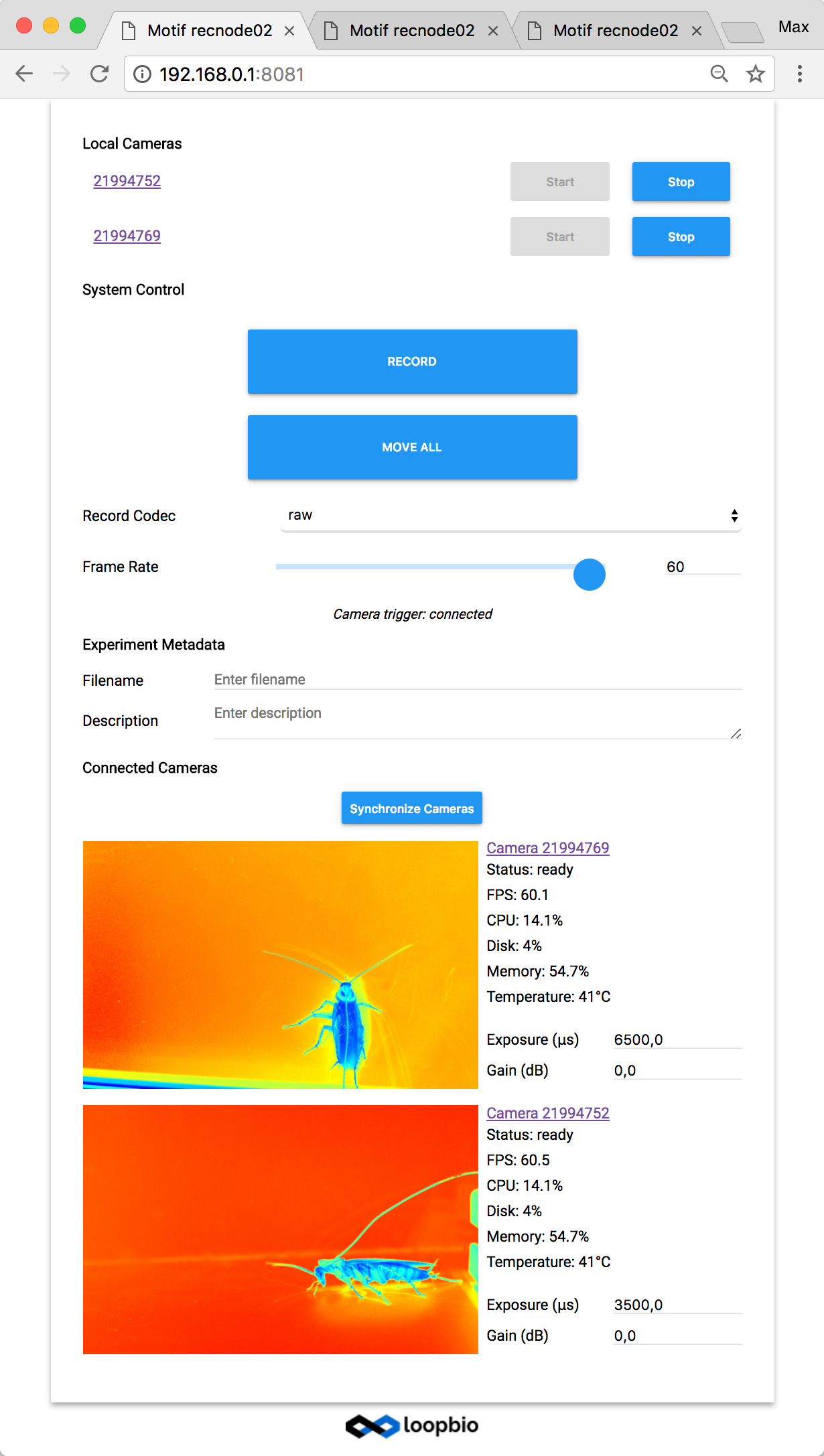
Multiple camera support and lighting uniformity feedback.
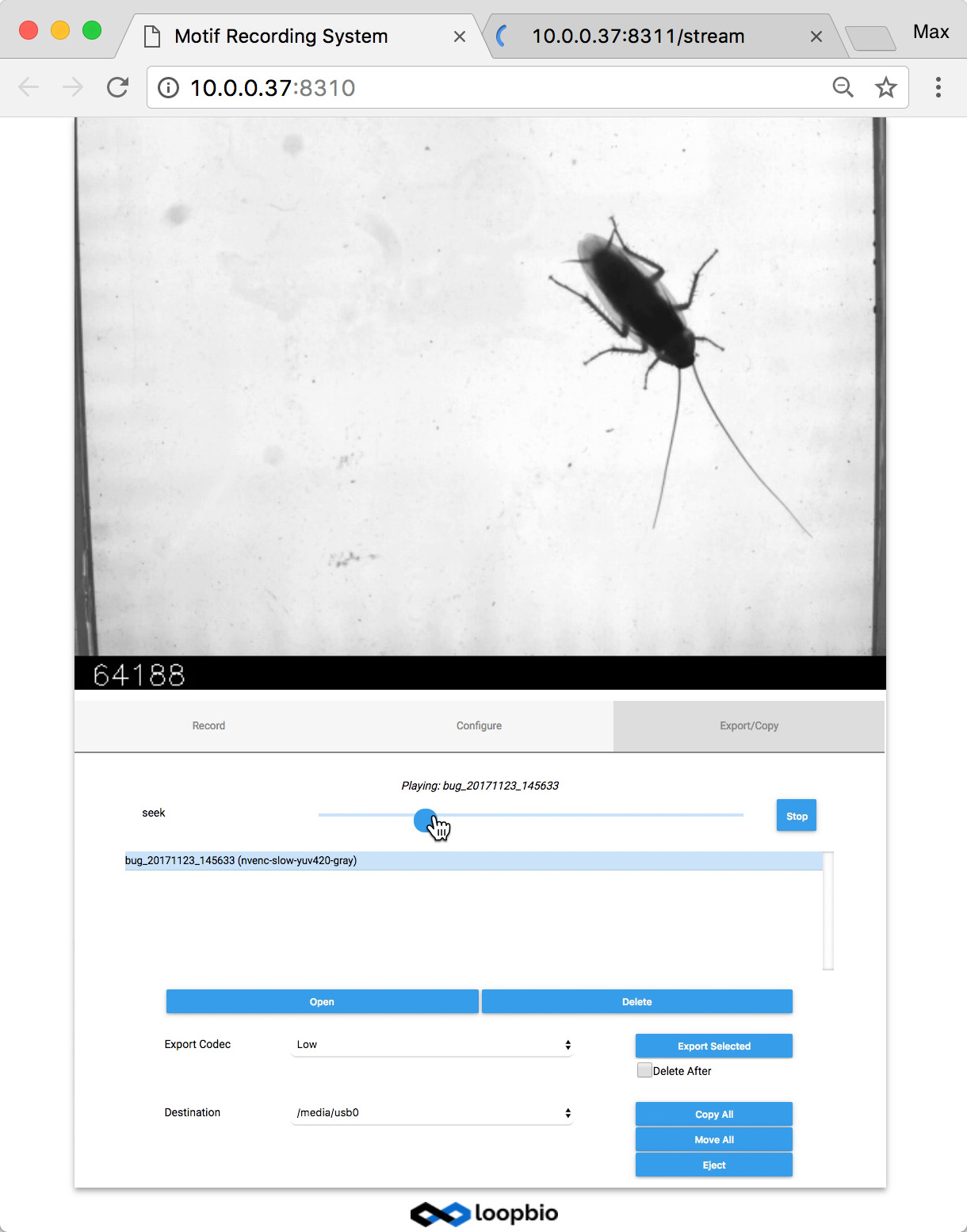
Review recording and copy to storage.
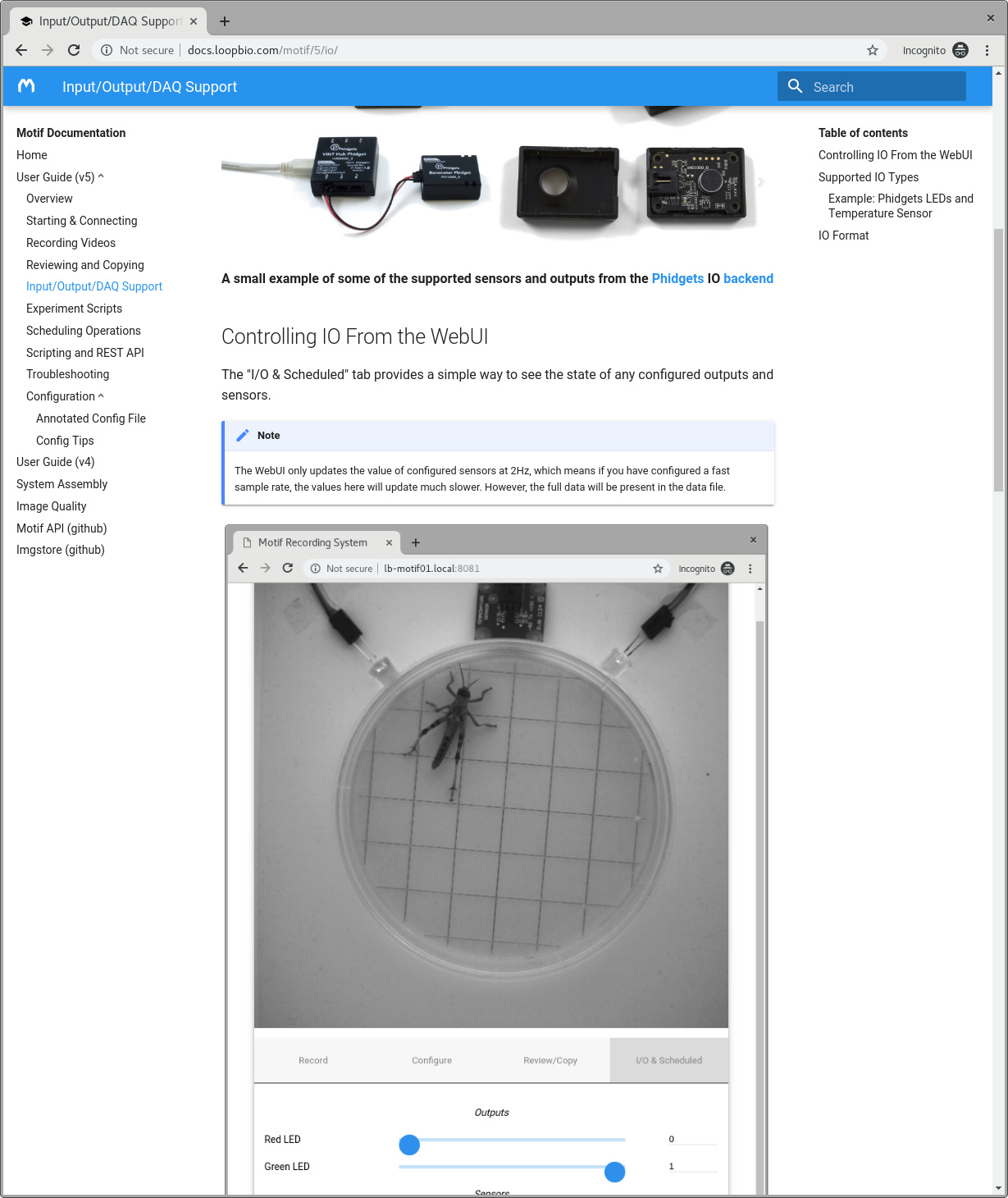
Documentation for the use of Motif is online and continuously updated.
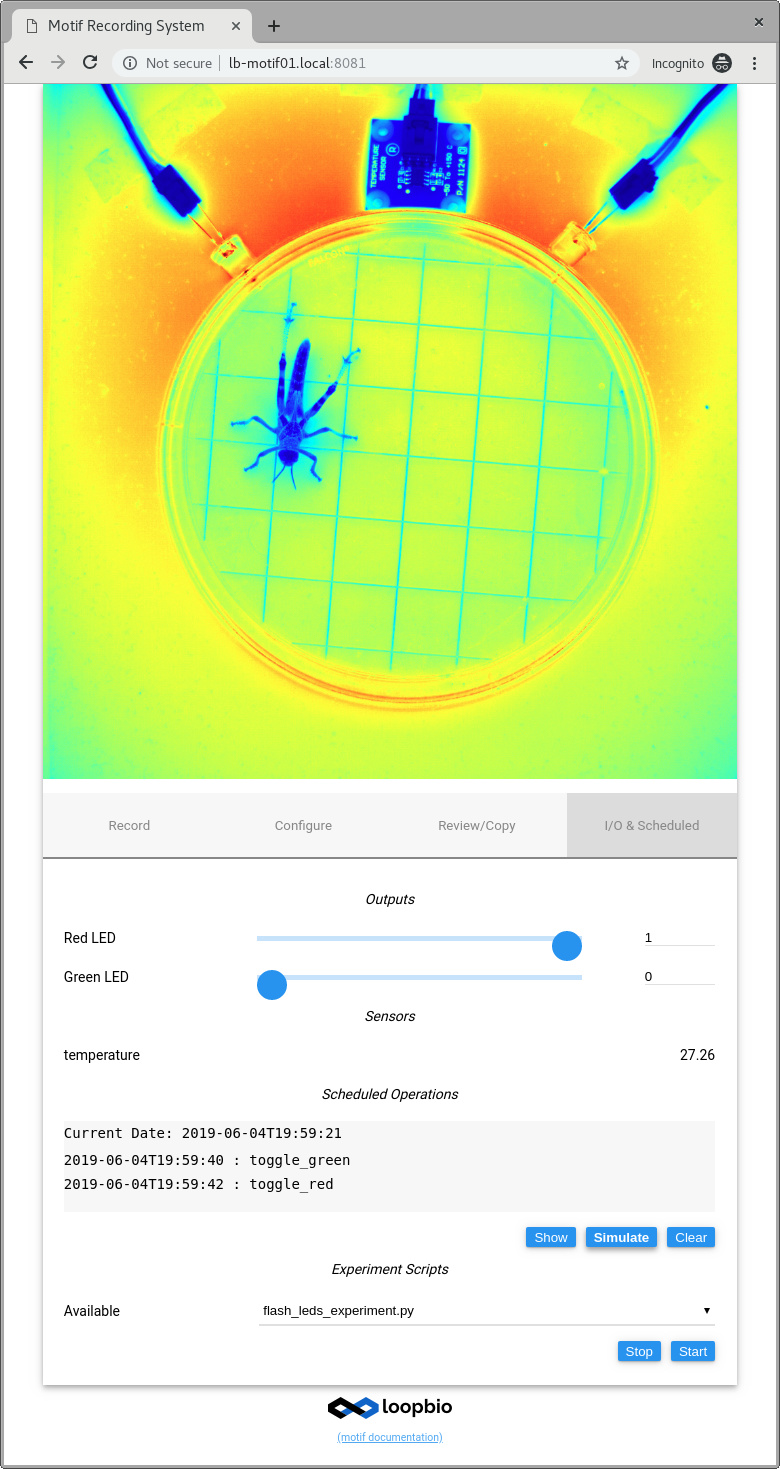
Input / Output support allows control of stimulus and reading of sensors.
Demonstration Video
Example Frame Rate and Resolution Options
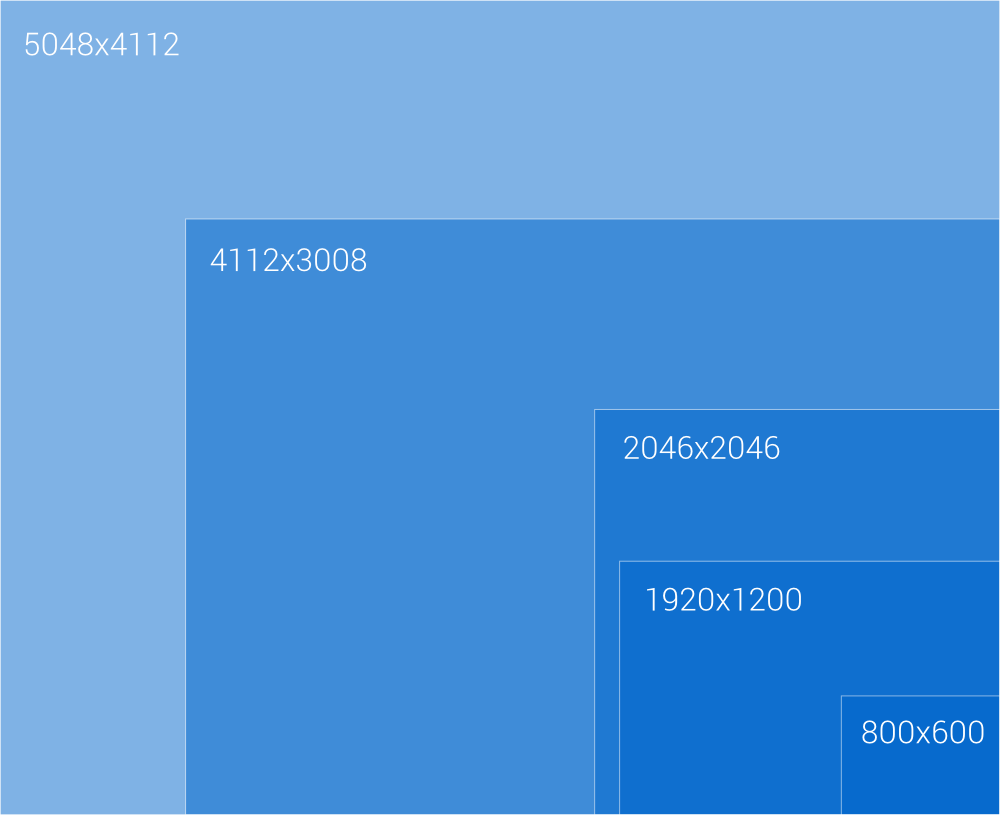
Motif can be used with a number of different cameras with resolution and frame rate combinations including, but not limited to, the following:
- 800x600px, 500 fps
- 1920x1200px, 155 fps
- 2046x2046px, 90fps (up to 200 fps)
- 4112x3008px, 31 fps (up to 89 fps)
- 4504x4504px, 18 fps (up to 54 fps)
- 5320x4600px, 15fps (up to 45 fps)
Note: decreasing the frame rate yields an increase in the possible resolution, for example, reducing the resolution to VGA 640x480 allows recording at 390 fps, at 592x400px 1000fps is achievable.
Microscopy and High Magnification Applications
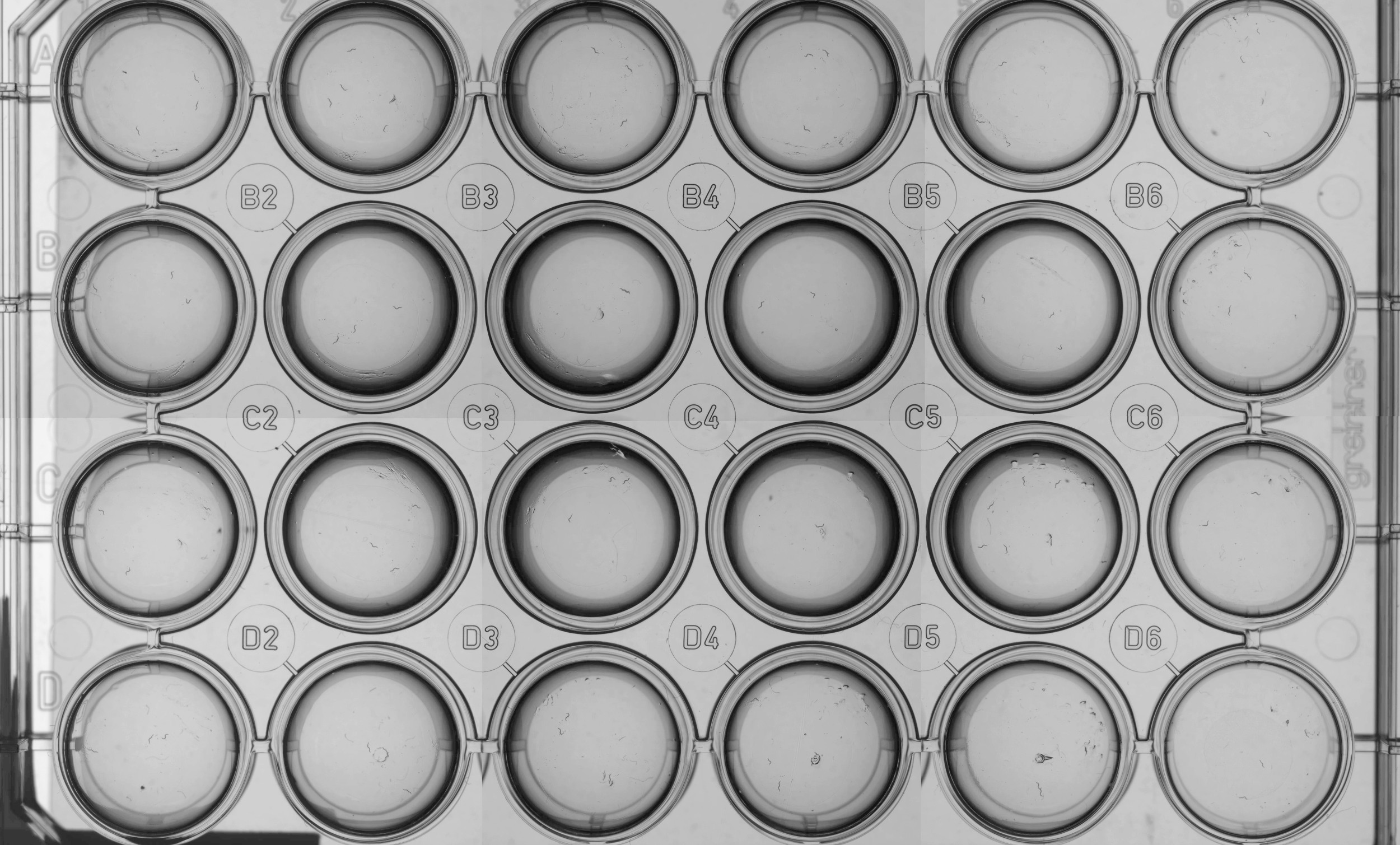
Motif is frequently used in microscope-like applications, imaging for example; larvae, C. elegans or bacteria from multi-well plates. Configurations of 100 px/mm for all wells in a multi-well plate, or 140px/mm for a single well (6-well plate) are possible at framerates of > 20fps.
For more information on systems of this nature, see our C. elegans case study or or our fluorescence imaging kastl.
Single or Multiple Camera Configurations
Motif systems are available in a number of configurations, from traditional single-camera systems, to multiple camera variations suitable for operation in the field or in the lab.
Multiple camera support is a unique aspect of the Motif system design - not only are multiple cameras per system supported, but multiple Motif systems can be connected together, effectively scaling the apparatus to a larger area. Imagine a behavioral arena too large to record with sufficient resolution using one camera, or imagine an experiment where one needs images taken from different perspectives. These situations are no problem with Motif as each cameras' image acquisition is synchronized - all pictures are taken at exactly the same time, overcoming the limitations of resolution and framerate.
Contact us to discuss how Motif can meet your imaging needs, integrate with your experiments, or for an evaluation.
If you are looking for support, you can email us or consult our documentation.
Motif Sample Configurations
Single Camera Laboratory Assay
The silent computer and camera can be mounted near the behavioral assay and the experiment monitored and recorded remotely using the Motif web user interface.
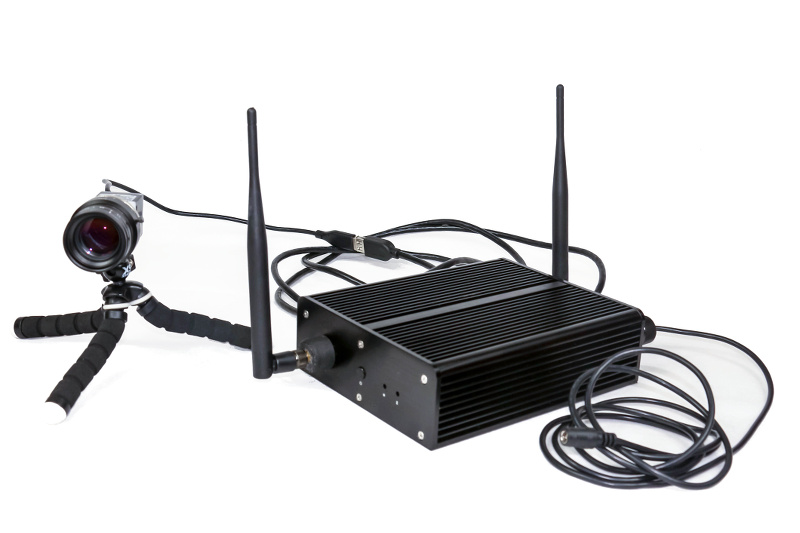
Silent PC and example camera.
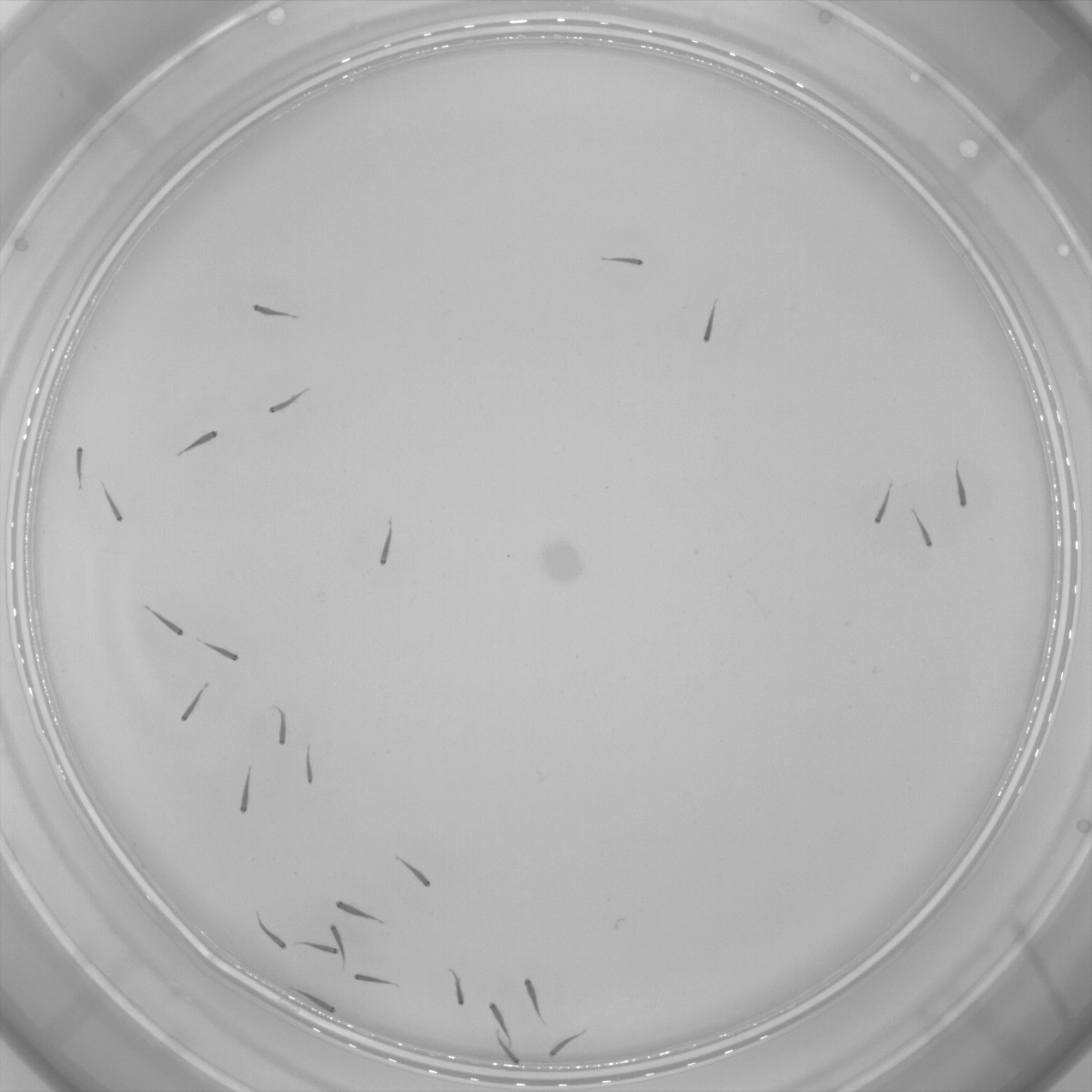
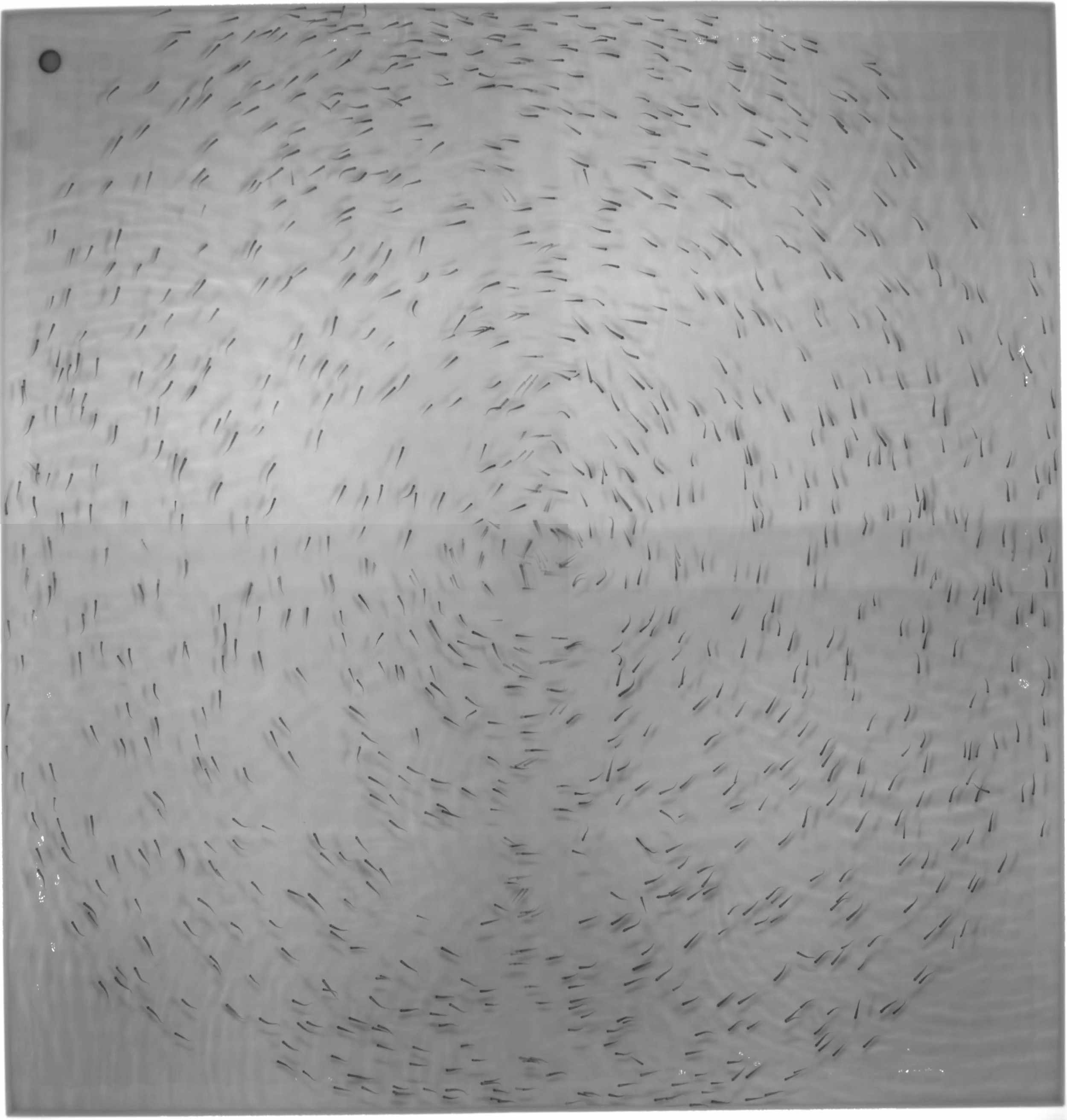
Sample image 4K 90fps fish assay.
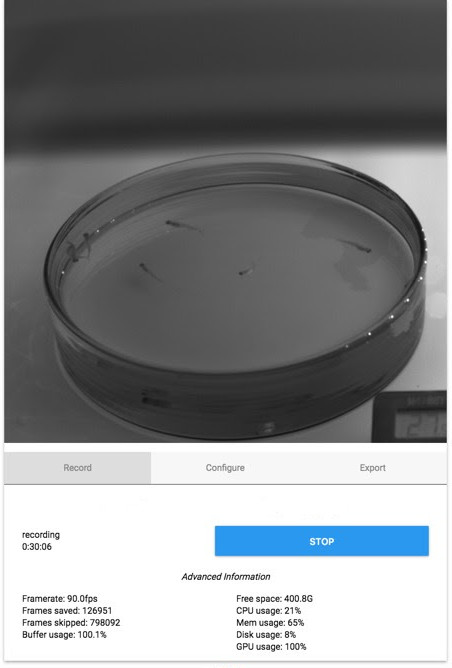
Web UI showing sample petri dish recording.
Multiple Camera Laboratory Configuration
Recording synchronized videos from multiple cameras allows studying kinematics and motion in great detail. Here we show the two orthogonal views of a subject.
With live feedback of focus quality, Motif ensures that images are sharp and that the focus plane is correctly set.
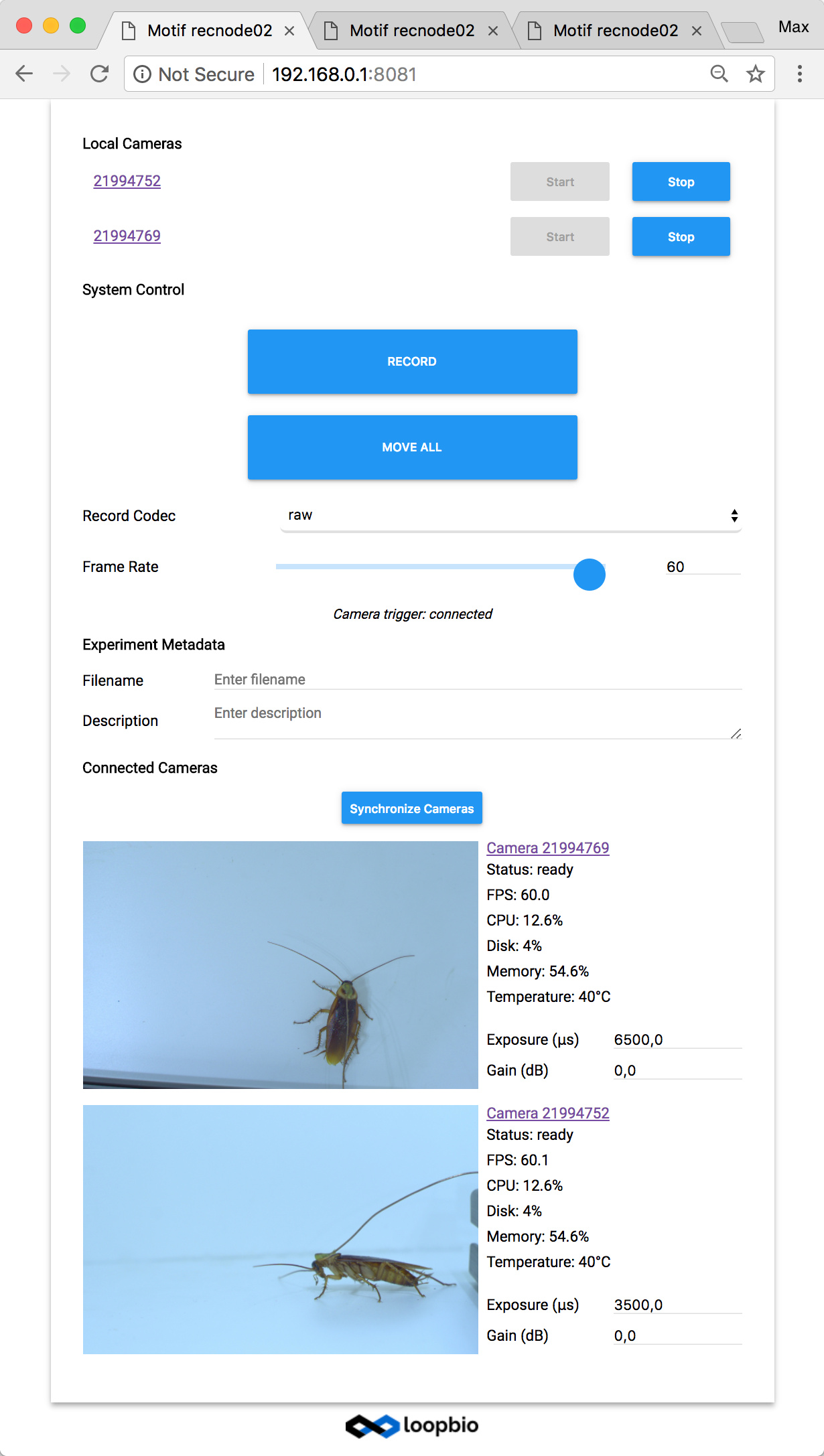
Monitoring and starting synchronized recording from the two views.
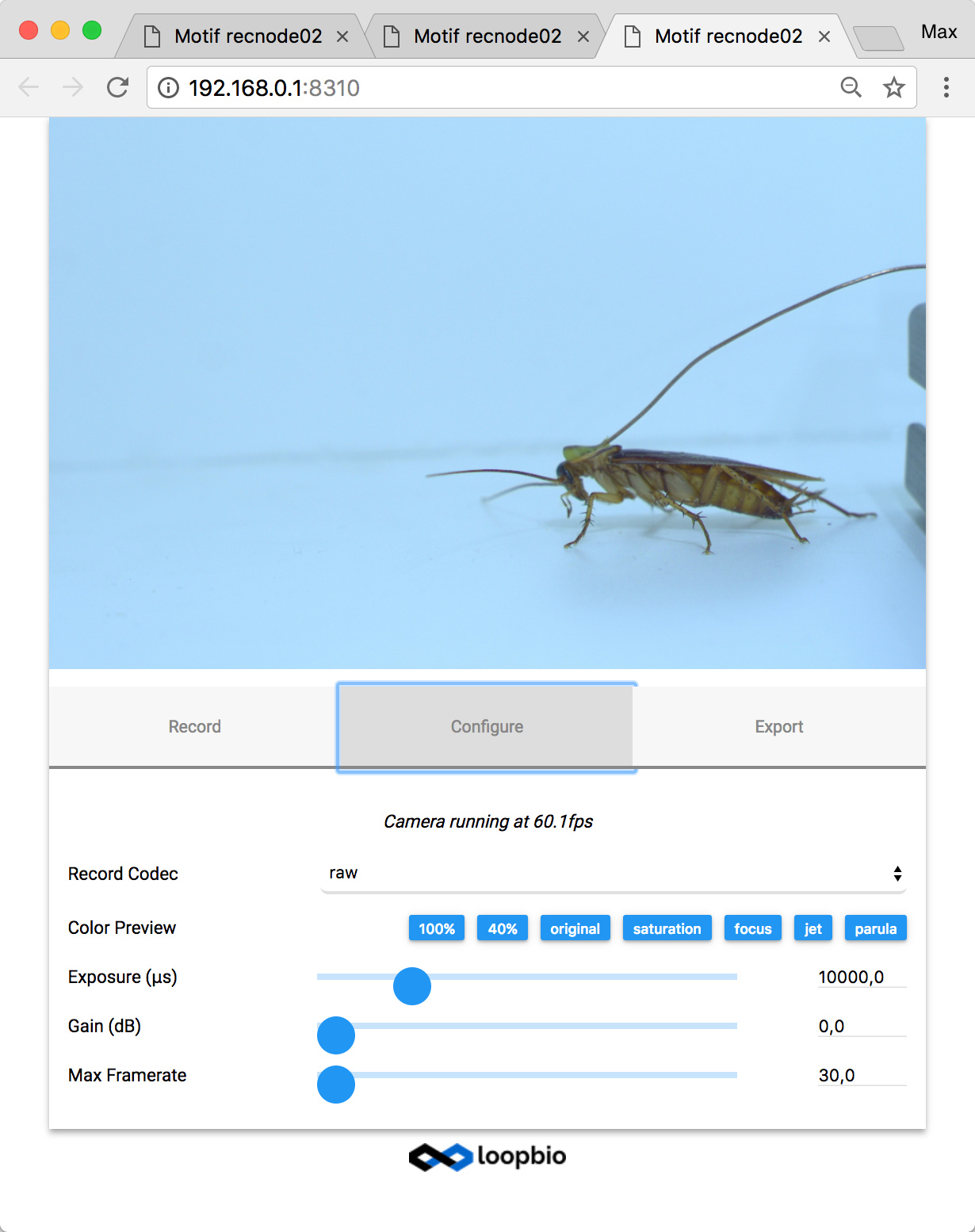
Adjusting camera settings of side-viewing camera.
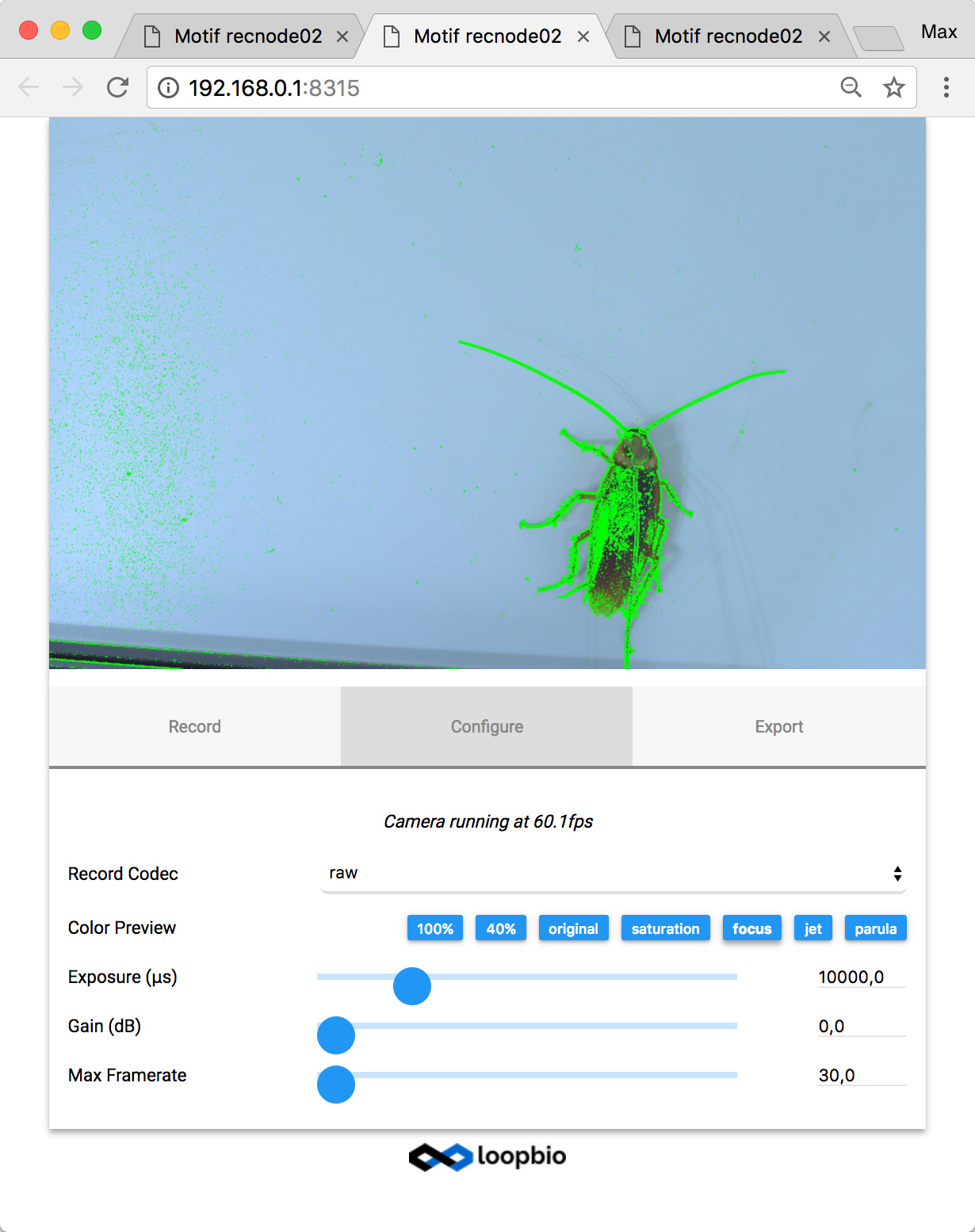
Focus feedback (green) of overhead camera ensures image is correctly focused.
Multiple Camera Array
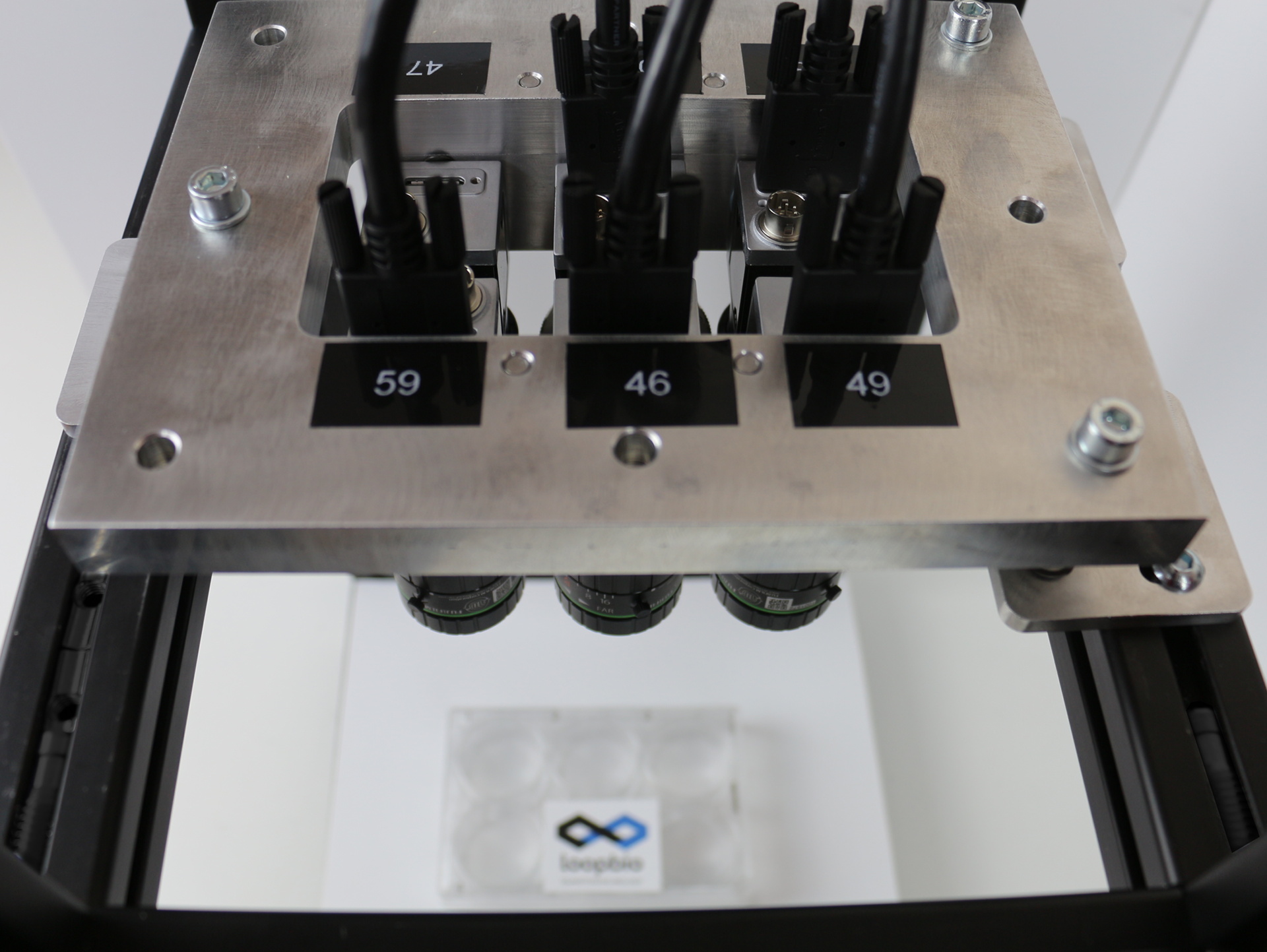
Sometimes recording an experiment requires higher resolution, framerate, or covering a larger area, than what is economically possible using a single camera.
A unique feature of Motif is it supports the combinations of multiple cameras into a single higher performance virtual camera. This allows unmatched recording performance. For more information see our case studies 'A multi-camera high throughput worm assay' and 'a 3x3m 4-camera array for recording fish schooling'.
Multiple Camera Field System
A battery powered silent system suitable for field operation allows synchronized recordings from multiple views - enabling 3D reconstruction of movement and behavior.
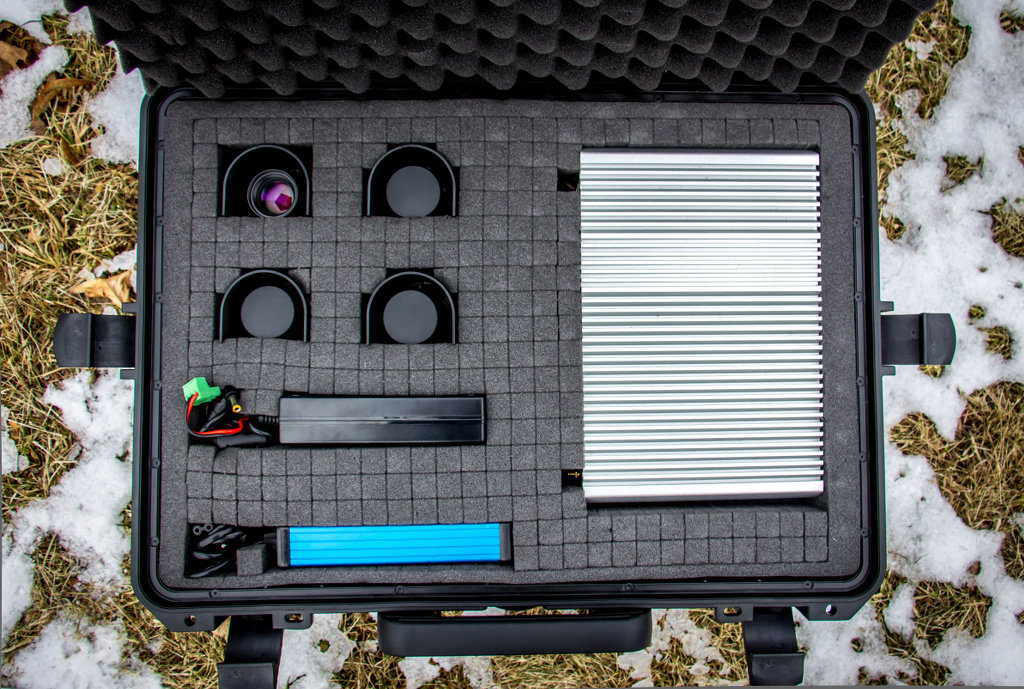
Packing and transport case.
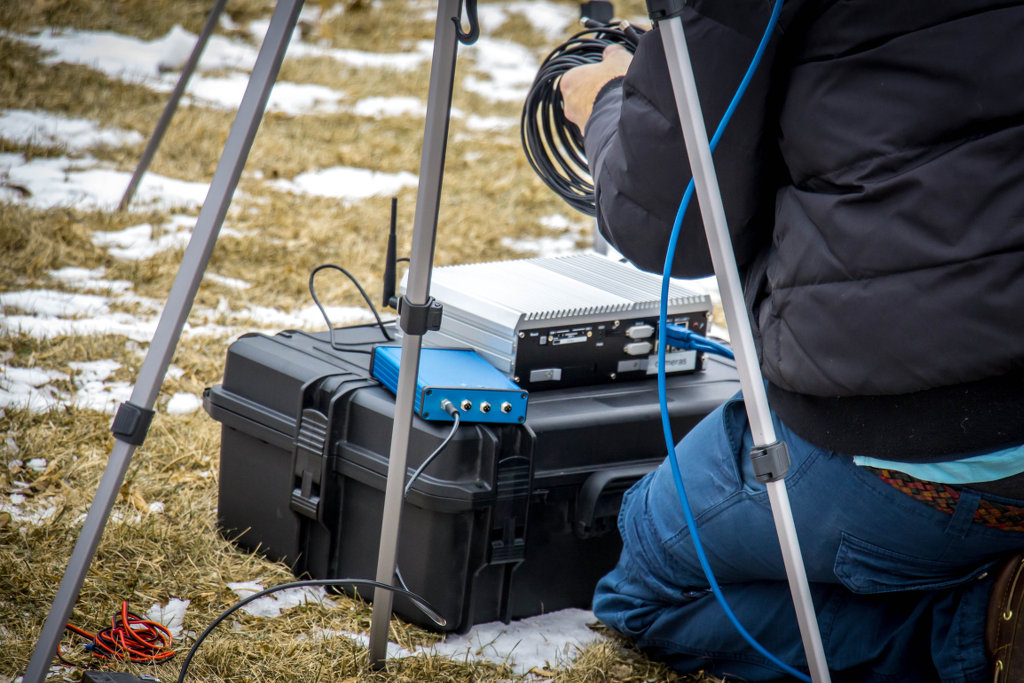
Setting up the system in the field.
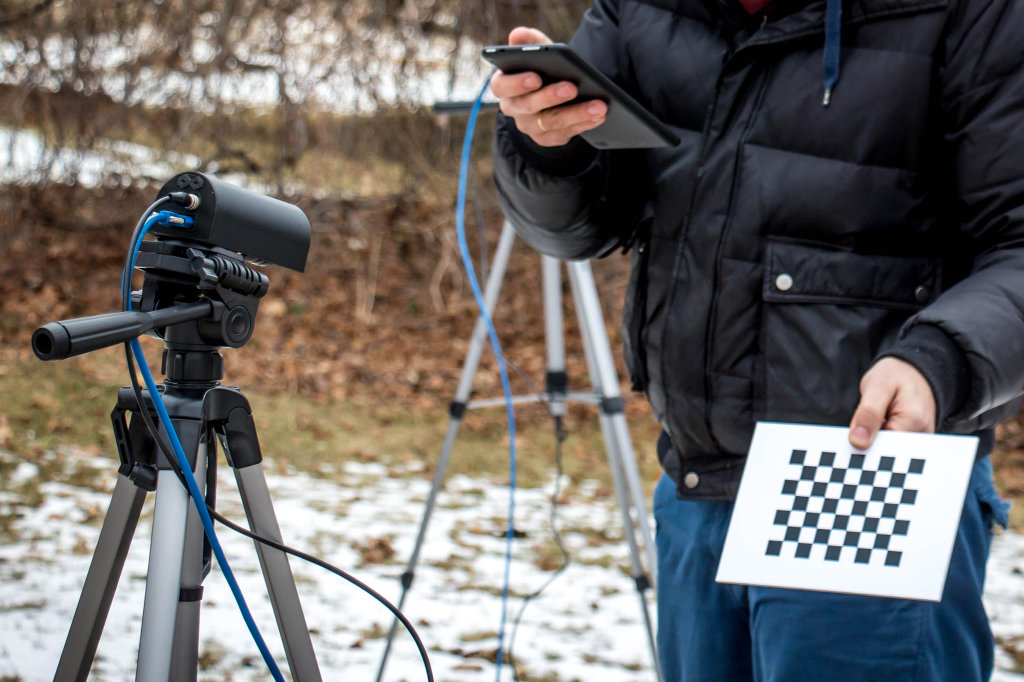
Calibration for 3D tracking.
Sample Applications
In addition to the brief examples below we have a number of case studies describing Motif systems including: a multi-camera high throughput worm assay, courtship recordings, in the Panama jungle, of Manacus vitellinus, circadian analysis of Platynereis, and single- and multiple-camera array recordings of collective behavior in fish.
Antennae 3D Tracking
Synchronized video from 3 cameras is used to reconstruct the 3D antenna movement - the active smelling behavior - of American cockroaches in a wind tunnel with odour stimulus.
3D position is then reconstructed using loopy (demo video here).
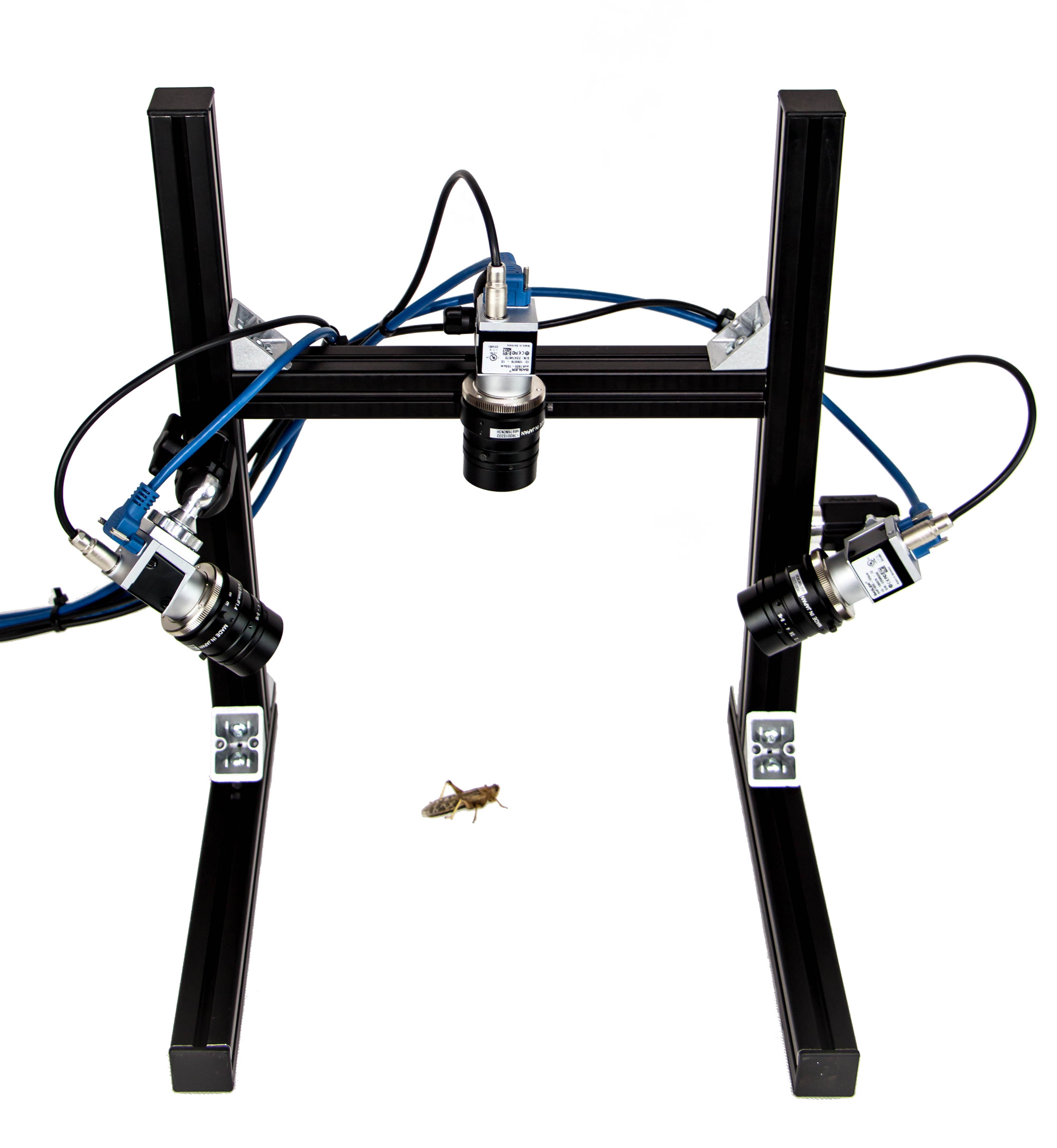
The Motif system uses three hardware synchronized 4 MP cameras at 120 fps.

The cockroach is restrained in place so to give a clear view in all cameras.
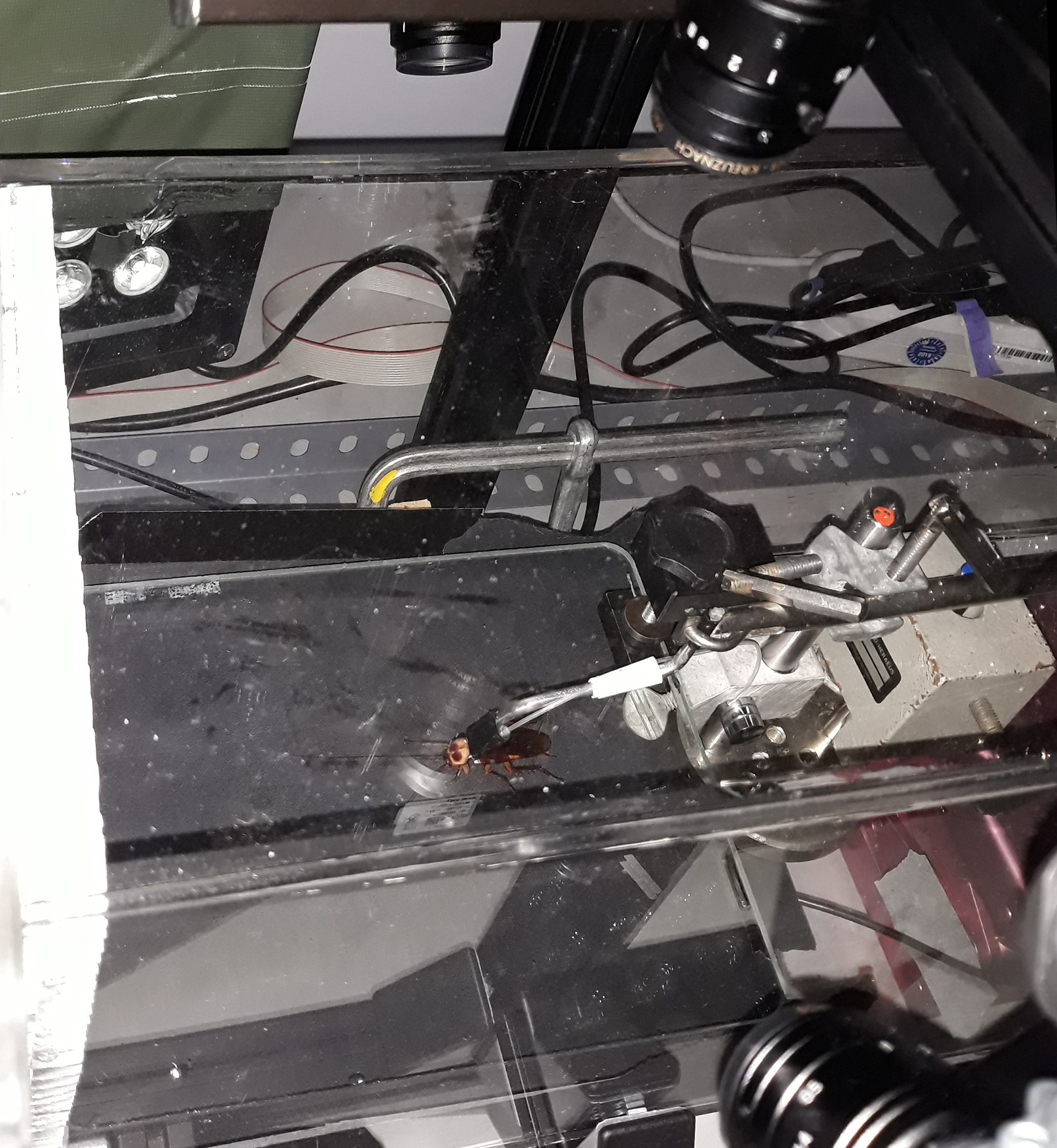
Wind enters from the left. Periodically an odor stimulus is added to elicit behavior.
Multiple Month Continuous Recording
Motif is used to record the foraging and life of an entire bee colony, recording 24/7 for 3 months. This data can then be used to understand the social behavior of honey bees and and how it changes through a season. See our case study on 'continuous high-resolution recording of honey bee hives'.
Two Motif systems are used; one records from 4x 12 MP USB3 cameras observing the hives, the second records from a network camera mounted outside.
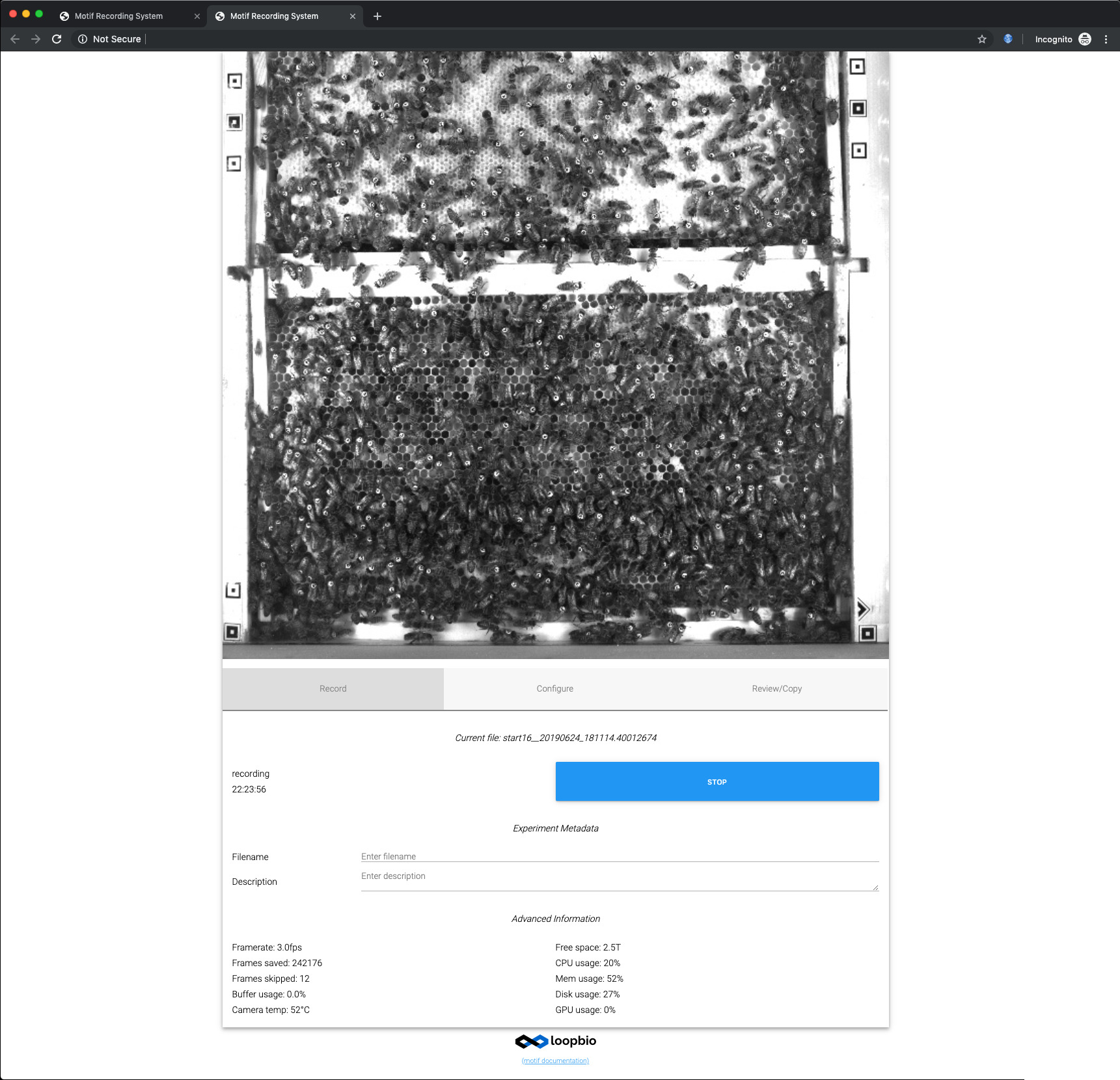
Individual camera view showing one half of one of the two observation hives.

An outside camera records all bees entering and leaving the room.
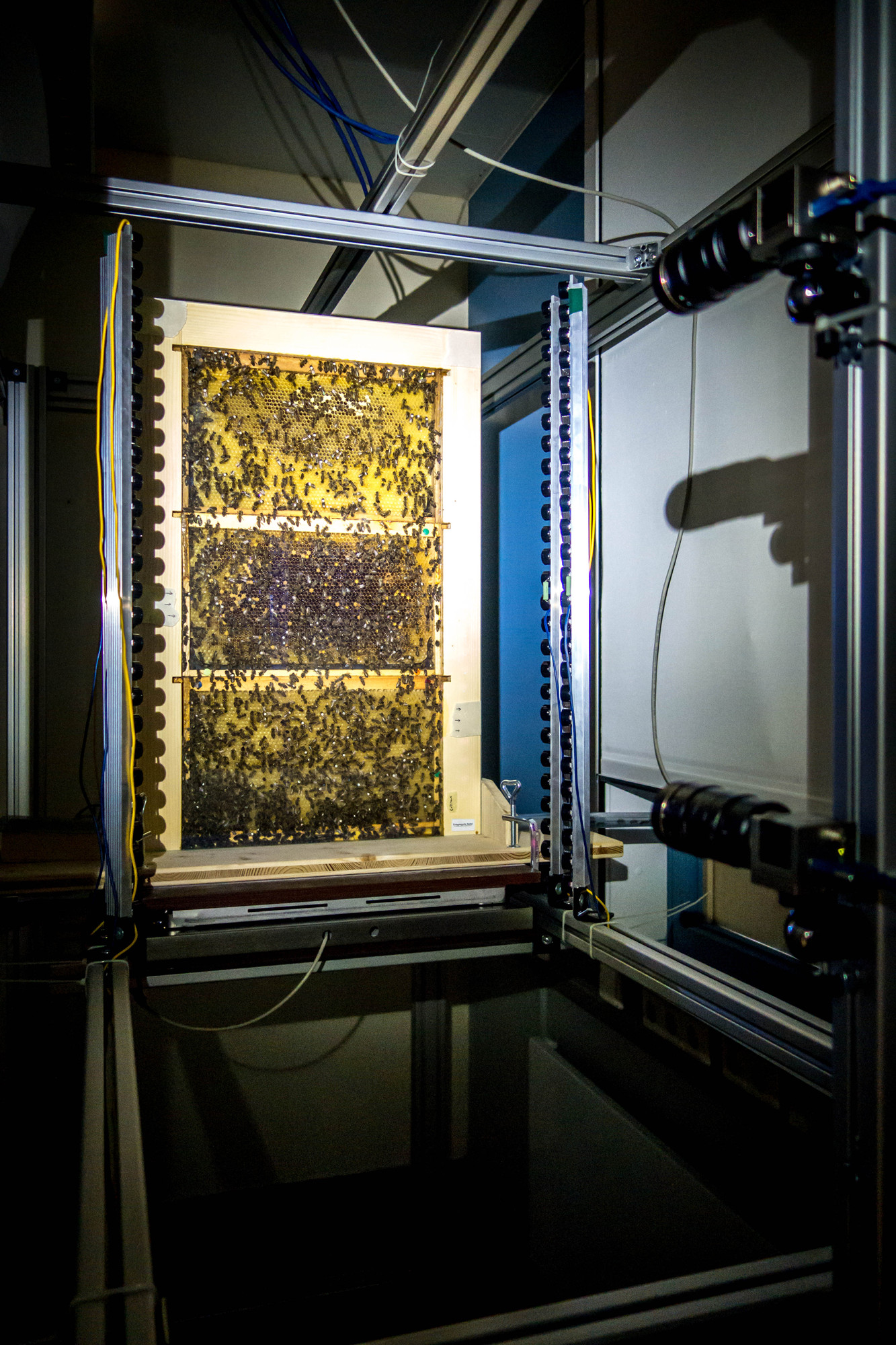
Each observation hive is observed by two cameras (see more).
Particle Image Velocimetry
To understand the kinematics of swimming fish, a 2-camera Motif system records their swimming behavior in a flow tank with a laser illuminated light-sheet to quantify the flow.
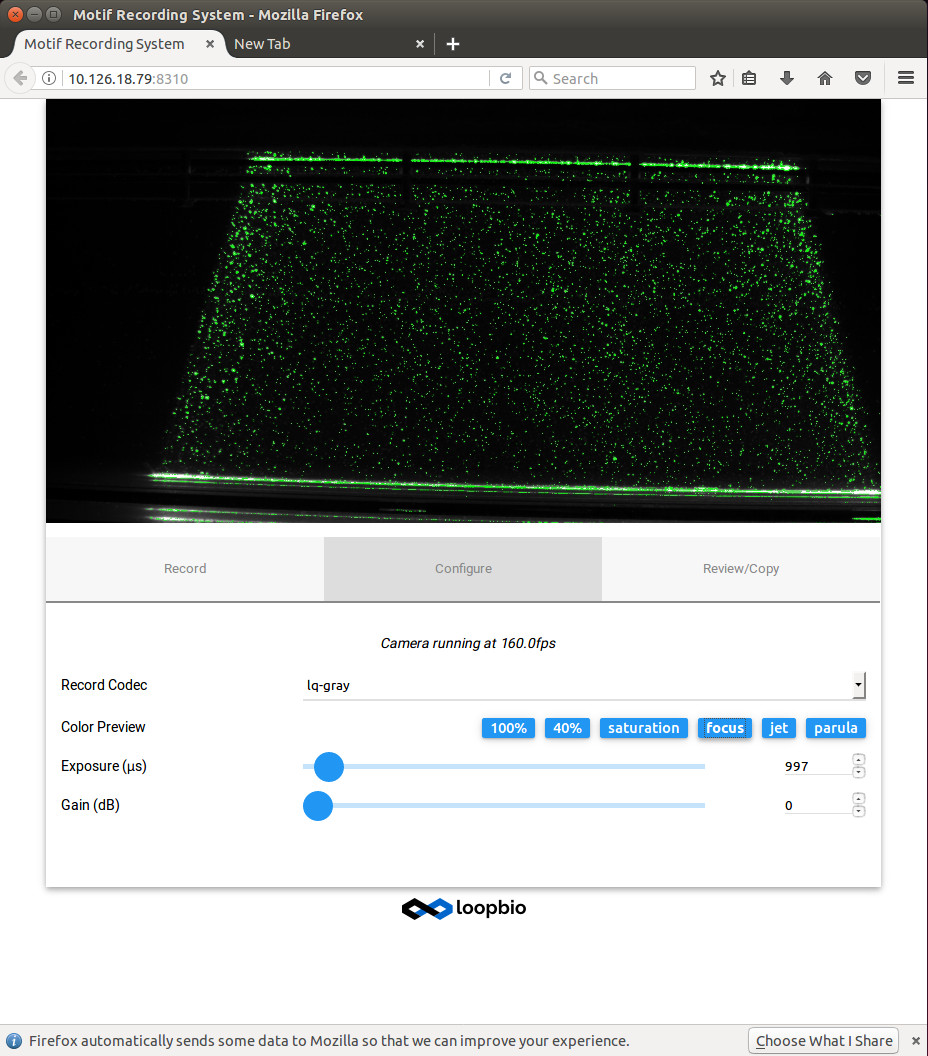
Focus feedback ensures the top-camera is correctly focused on the laser plane.
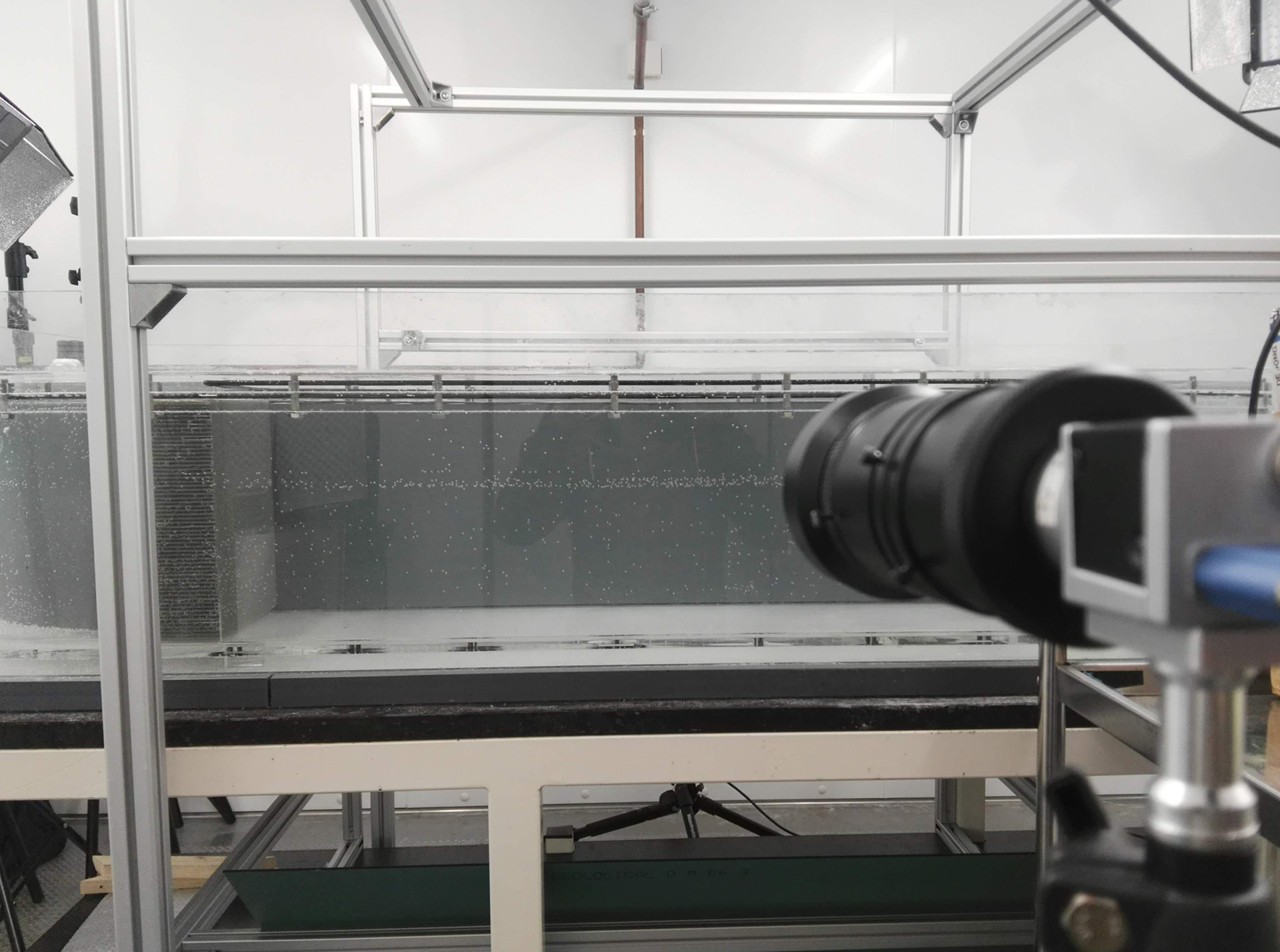
Side-view camera, flow tank and flow conditioner.
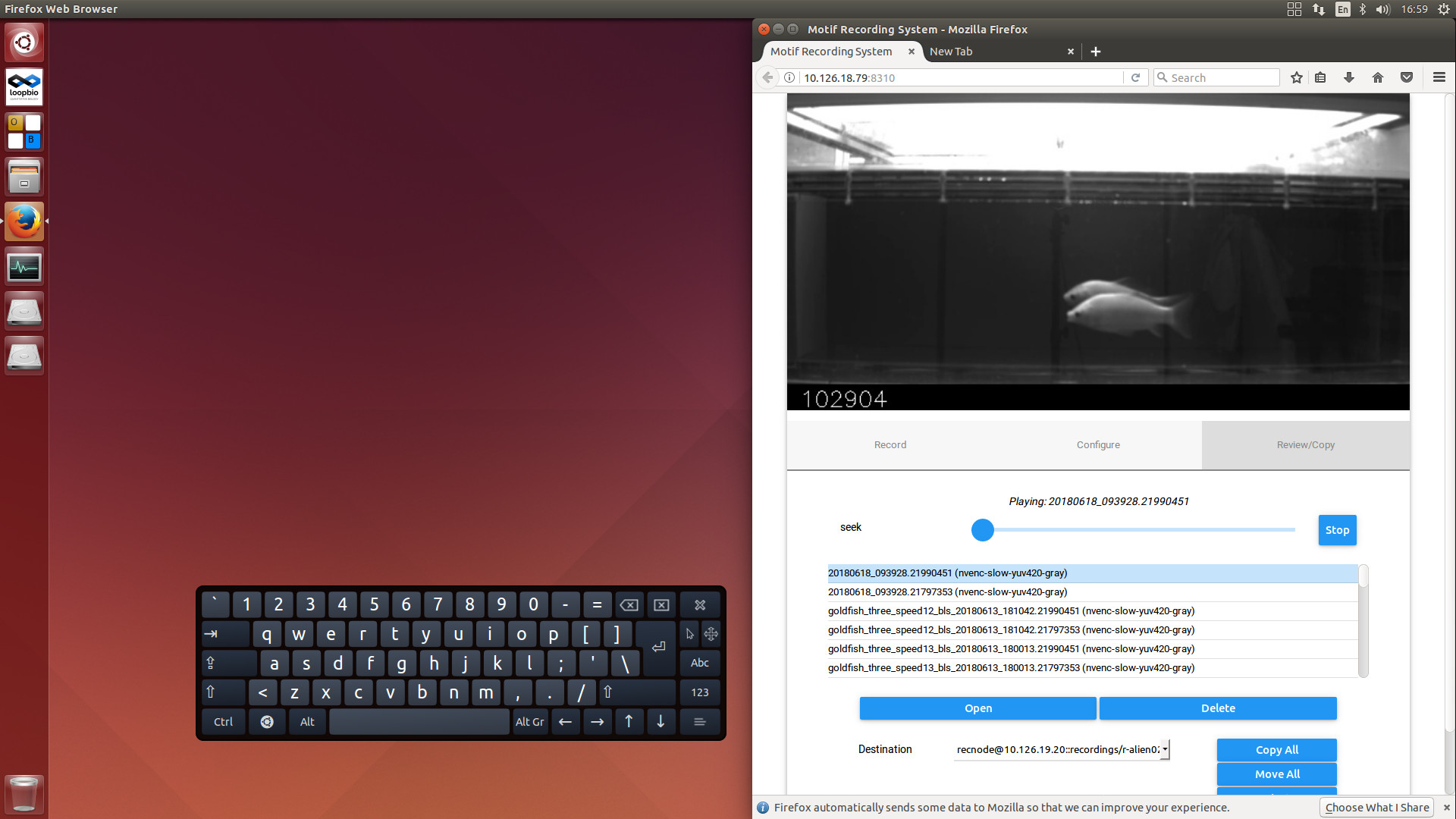
Video taken from the side-camera showing an animal in test.
Kinematics of Dove Courtship
Doves perform a courtship display prior to mating, and it is believed that this carries information females use in assessing mate quality.
A 4-camera system captures high speed synchronized video to correlate the kinematics of behavior with the success of the courtship display.
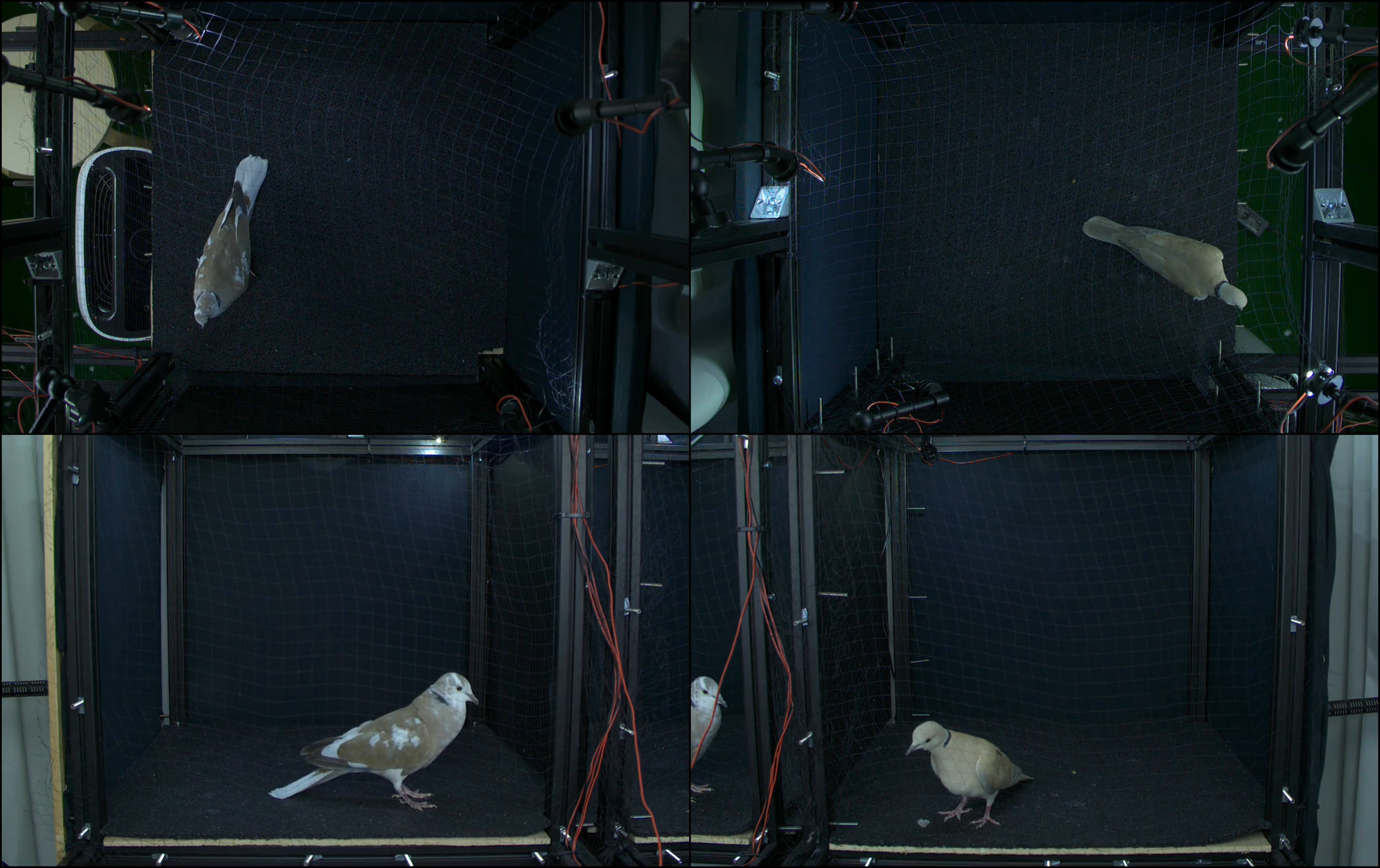
Synchronized video montage of the two experimental chambers.
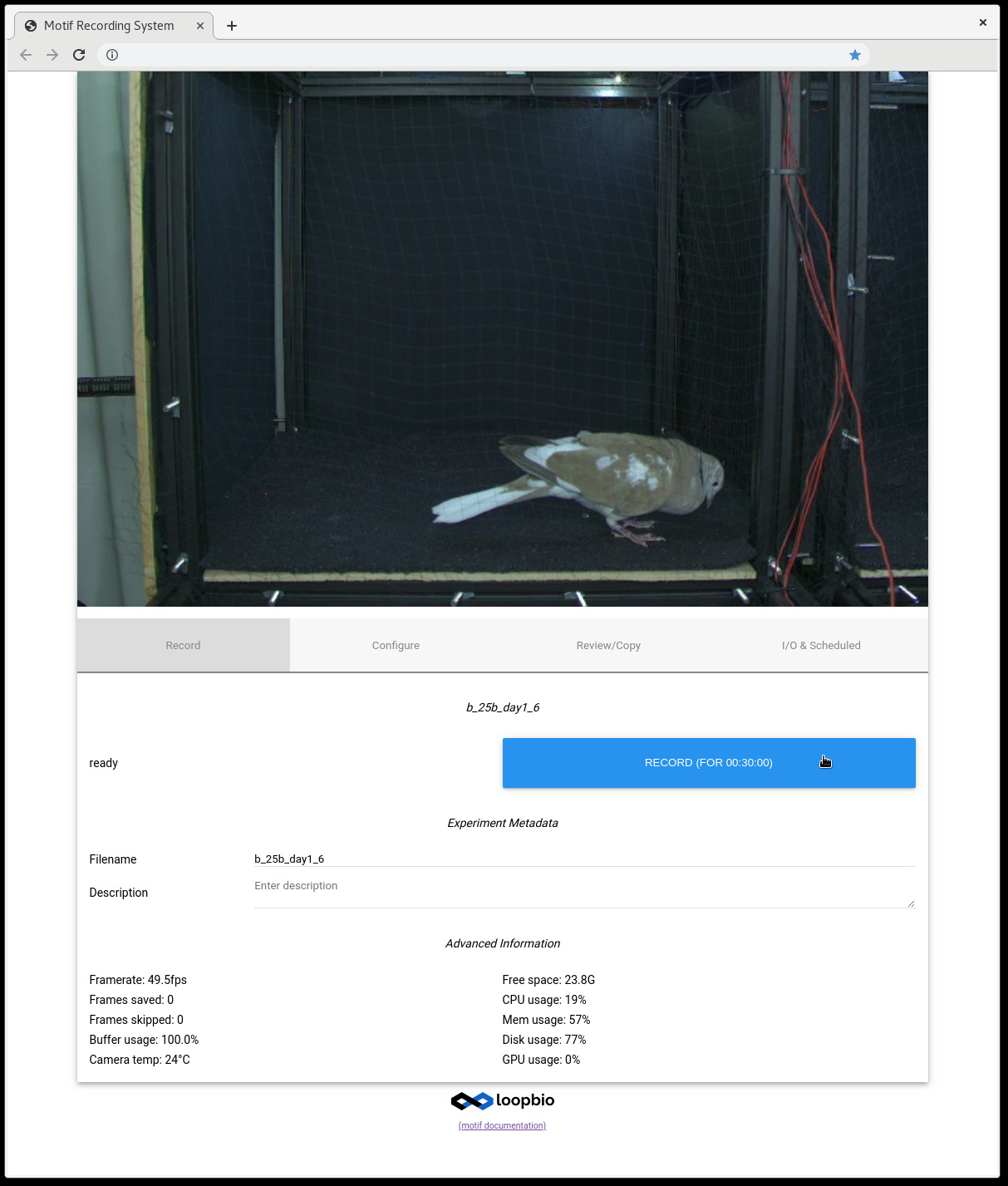
Motif user interface of a single camera from the assay.
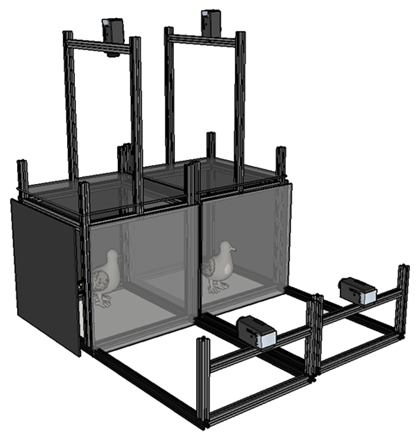
Computer model showing the arrangement of the 2 pairs of orthogonal cameras.
Publications
- Bedbrook, C.N., Nath, R.D., Zhang, L., Linderman, S.W., Brunet, A. and Deisseroth, K. Lifelong behavioral screen reveals an architecture of vertebrate aging Science (2026). 10.1126/science.aea9795
- Short, N.E., Warren, E.C., Porter, I.E., Pinto, Y., Rodriguez, J., Sarkisyan, K., Bhatt, A.S., Brown, A.E. and Riglar, D.T. A whole organism screening platform identifies gut microbiome microproteins that modulate host metabolism. bioRxiv (2026). 10.64898/2026.02.11.705328
- Iwata, K., Kaneko, T., Correia Caeiro, C., Thomas, D., Koketsu, D., Nambu, A., Miyabe-Nishiwaki, T., Hata, J. and Nakae, K. A multimodal dataset for reconstructing common marmoset body–environment interactions in a 3D digital-twin framework. bioRxiv (2026). 10.64898/2026.06.07.730757
- Francisco, F.A., Kesim, A.L. and Bierbach, D. The Effect of Familiarity Among Social Partners on the Jumping Behavior of Amazon Mollies. Ethology (2026). 10.1111/eth.70113
- Crombie, T.A., Pamminger, T., Andersen, E.C. and Glaberman, S. High-Throughput Toxicity Screening with C. elegans: Current Platforms, Key Advantages, and Future Directions Environmental Science & Technology (2026). 10.1021/acs.est.5c12562
- Peñaranda-Jara, J.J. and Sánchez-Salmerón, A.J. High recall assisted detection of egg laying events in Caenorhabditis elegans using human in the loop validation. Scientific Reports (2026). 10.1038/s41598-026-62443-0
- Porcon, C., Herbert-Read, J., Lagneaux, B., Jodin, G. and Razan, F. Design and Validation of a Multi-Point Pressure Measurement Network for Hydrodynamic State Estimation in Experimental Water Tanks. IEEE Transactions on Instrumentation and Measurement (2026). 10.1109/tim.2026.3712921
- Bailly, T.P., Rossi, M., Valdés-Rodríguez, S., Schmitt, T., Frank, E.T. and Kronauer, D.J. Tolerance toward foreigners in ants requires chronic exposure for establishment but only sporadic exposure for maintenance Current Biology (2026). 10.1016/j.cub.2026.02.041
- Destain, H., Koh, A., Shin, H., Brown, A.E. and Kratsios, P. Continuous negative autoregulation fine-tunes dosage-sensitive transcription factor expression to maintain post-mitotic neuron identity. bioRxiv (2026). 10.64898/2026.05.14.725191
- Bhat, B.A., Jiang, N.J., Halitschke, R. and Ulrich, Y. Nematode infections induce distinct chemical signatures and provoke aggression in ants. Biology Letters (2026). 10.1098/rsbl.2025.0716
- Millán-Trejo, A., Mora-Martínez, C., Tarazona-Sánchez, A., Lloret-Fernández, C., Alis, R., Jordán-Pla, A., Barrios, A. and Flames, N. Epigenetic constraints and enhancer innovation link neuronal plasticity to evolutionary adaptation. Proceedings of the National Academy of Sciences (2026). 10.1073/pnas.2524709123
- de Guinea, M., Landesman, R., Madden, J.R., Bugnyar, T., Bartan, Y. and Nathan, R. Integrating Lab‐and Field‐Based Approaches to Decipher Individuals' Response to Anthropogenic Change. Ecology Letters (2026). 10.1111/ele.70366
- Roemschied, F.A., Ireland, E.C., Calhoun, A.J., Choi, M., Ahmed, O.M. and Murthy, M. Recent social experience alters song behavior in Drosophila. Current Biology (2026). 10.1016/j.cub.2026.02.003
- Li, X., Thieringer, K., Gao, Y. and Murthy, M. Sequencing of distinct wing behaviors during Drosophila courtship. Current Biology (2026). 10.1016/j.cub.2026.01.042
- Völter, C. J., Gerwisch, K., Berg, P., Virányi, Z. & Huber, L. Using mobile eye tracking to study dogs' understanding of human referential communication Proceedings of the Royal Society B (2025). 10.1098/rspb.2024.2765
- Mastronardo, M. High-throughput Behavioral Assay (HTBA) protocols.io (2025). 10.17504/protocols.io.eq2ly4xzplx9/v1
- Horejsi, R.V., Nelson, C.N., De Ruyter, A., Gensch, H., Maasz-Seawright, S., Weber, C., Willett, S., Olson, S.A. and Wheeler, N.J. Quantitative ethology of schistosome miracidia characterizes a conserved snail peptide that inhibits host recognition Plos Pathogens (2025). 10.1371/journal.ppat.1013766
- Weheliye, W.H., Rodriguez, J., Feriani, L., Javer, A., Uhlmann, V. and Brown, A.E. A neural network model enables worm tracking in challenging conditions and increases signal-to-noise ratio in phenotypic screens. PLOS Computational Biology (2025). 10.1371/journal.pcbi.1013345
- O'Brien, T.J., Barlow, I.L., Feriani, L. and Brown, A.E. High-throughput tracking enables systematic phenotyping and drug repurposing in C. elegans disease models eLife (2025). 10.7554/elife.92491.4
- García-Garví, A. and Sánchez-Salmerón, A.J. High-throughput behavioral screening in Caenorhabditis elegans using machine learning for drug repurposing. Scientific Reports (2025). 10.1038/s41598-025-10370-x
- Matsumoto, J., Kaneko, T., Kimura, K., Blanco Negrete, S., Guo, J., Suda-Hashimoto, N., Kaneko, A., Morimoto, M., Nishimaru, H., Setogawa, T., Go, Y., Shibata, T., Nishijo, H., Takada, M. and Inoue, K.I. Three-dimensional markerless motion capture of multiple freely behaving monkeys toward automated characterization of social behavior. Science Advances (2025). 10.1126/sciadv.adn1355
- Perez, D.M., Greenway, R., Stier, T., Font-Massot, N., Pertzelan, A. and Ding, S.S. Towering behavior and collective dispersal in Caenorhabditis nematodes Current Biology (2025). 10.1016/j.cub.2025.05.026
- Sutkus, L.T., Sommer, K.M., Li, Z., Sutton, B.P., Donovan, S.M. and Dilger, R.N. Experimentally induced colitis impacts myelin development and home-cage behavior in young pigs regardless of supplementation with oral gamma-cyclodextrin-encapsulated tributyrin. Frontiers in neuroscience (2025). 10.3389/fnins.2025.1484497
- Sommer, K.M., Sutkus, L., Senthil, P. and Dilger, R.N. Feeding style alters the growth and behavior of artificially-reared pigs Journal of animal science (2025). 10.1093/jas/skaf098
- Li, Z., Wang, Q., Knebel, D., Veit, D. and Ulrich, Y. Division of labour in colony defence in a clonal ant. Philosophical Transactions of the Royal Society B: Biological Sciences (2025). 10.1098/rstb.2023.0270
- Sayin, S., Couzin-Fuchs, E., Petelski, I., Günzel, Y., Salahshour, M., Lee, C.Y., Graving, J.M., Li, L., Deussen, O., Sword, G.A. and Couzin, I.D. The behavioral mechanisms governing collective motion in swarming locusts. Science (2025). 10.1126/science.adq7832
- Matchette, S.R., Butler, S.J., Llanos, C.E.R. and Herbert-Read, J.E. Environmental visual complexity increases the foraging success of mesopredators by promoting explorative behaviours. Animal Behaviour (2025). 10.1016/j.anbehav.2024.123057
- Churgin, A. T. C., Wang, Y., Brown, A. J., O’Connell, K. J. & Alkema, M. J. High-throughput behavioural phenotyping of 25 C. elegans disease models including patient-specific mutations BMC Biology (2025). 10.1186/s12915-025-02368-8
- Serrano-Saiz, S. A. & Hobert, O. Pervasive homeobox gene function in the male-specific nervous system of Caenorhabditis elegans Development (2025). 10.1242/dev.204958
- Goodman, H. R. & Zhen, M. Neuroendocrine control of synaptic transmission by PHAC-1 in Caenorhabditis elegans Journal of Neuroscience (2025). 10.1523/jneurosci.1767-23.2024
- Barlow, I. & Shirtliff-Hinds, T. Disease model screen protocol v2 protocols.io (2025). 10.17504/protocols.io.kxygx9y5og8j/v2
- Singla, U.K., Lin, A., Pillow, J.W. and Murthy, M. Latent state dynamics in female Drosophila during social interactions. NeurIPS 2025 (Workshop) (2025). https://doi.org/[no doi — openreview id: cfzd3w1syz]
- Häfker, N.S., Holcik, L., Mat, A.M., Ćorić, A., Vadiwala, K., Beets, I., Stockinger, A.W., Atria, C.E., Hammer, S., Revilla-i-Domingo, R. and Schoofs, L. Molecular circadian rhythms are robust in marine annelids lacking rhythmic behavior. PLOS Biology (2024). 10.1371/journal.pbio.3002572
- Altafi, M., Chen, C., Korotkova, T. and Ponomarenko, A. Sequential activation of lateral hypothalamic neuronal populations during feeding and their assembly by gamma oscillations. Journal of Neuroscience (2024). 10.1523/jneurosci.0518-24.2024
- Golden, R.K., Sutkus, L.T., Donovan, S.M. and Dilger, R.N. Dietary supplementation of 3′-sialyllactose or 6′-sialyllactose elicits minimal influence on cognitive and brain development in growing pigs Frontiers in Behavioral Neuroscience (2024). 10.3389/fnbeh.2023.1337897
- Li, L., Chao, L.M., Wang, S., Deussen, O. and Couzin, I.D. RoboTwin: A Platform to Study Hydrodynamic Interactions in Schooling Fish. IEEE Robotics & Automation Magazine (2024). 10.1109/mra.2023.3348303
- Drerup, C., How, M.J. and Herbert-Read, J.E. Dynamic visual noise has limited influence on the habitat selection and behavioural activity of crustaceans and cephalopods. Ethology (2024). 10.1111/eth.13432
- Golden, R.K. and Dilger, R.N. Determining underlying influences of data variability in the novel object recognition paradigm as used with young pigs. Frontiers in Behavioral Neuroscience (2024). 10.3389/fnbeh.2024.1434489
- Kaneko, T., Matsumoto, J., Lu, W., Zhao, X., Ueno-Nigh, L.R., Oishi, T., Kimura, K., Otsuka, Y., Zheng, A., Ikenaka, K. and Baba, K. Deciphering social traits and pathophysiological conditions from natural behaviors in common marmosets. Current Biology (2024). 10.1016/j.cub.2024.05.033
- Fedorec, A.J.H., Treloar, N.J., Wen, K.Y., Dekker, L., Ong, Q.H., Jurkeviciute, G., Lyu, E., Rutter, J.W., Zhang, K.J.Y., Rosa, L., Zaikin, A. and Barnes, C.P. Emergent digital bio-computation through spatial diffusion and engineered bacteria. Nature Communications (2024). 10.1038/s41467-024-49264-3
- Henry, L.P., Fernandez, M., Wolf, S., Abhyankar, V. and Ayroles, J.F. Wolbachia impacts microbiome diversity and fitness‐associated traits for Drosophila melanogaster in a seasonally fluctuating environment. Ecology and evolution (2024). 10.1002/ece3.70004digital object identifier (doi)
- Zhukovskaya, A., Zimmerman, C. A., Willmore, L., Pan Vazquez, A., Janarthanan, S., Falkner, A. & Witten, I. B. Heightened lateral habenula activity during stress produces brainwide and behavioral substrates of susceptibility Neuron (2024). 10.1016/j.neuron.2024.09.009
- Chen, C., Altafi, M., Corbu, M.A., Trenk, A., van den Munkhof, H., Weineck, K., Bender, F., Carus-Cadavieco, M., Bakhareva, A., Korotkova, T. and Ponomarenko, A. The dynamic state of a prefrontal–hypothalamic–midbrain circuit commands behavioral transitions. Nature Neuroscience (2024). 10.1038/s41593-024-01598-3
- Takahashi, K., Nishimura, H., Tsukada, Y. & Iino, Y. Conflict during learning reconfigures the neural representation of positive valence and approach behavior Current Biology (2024). 10.1016/j.cub.2024.10.024
- Willmore, L., Minerva, A.R., Engelhard, B., Murugan, M., McMannon, B., Oak, N., Thiberge, S.Y., Peña, C.J. and Witten, I.B. Overlapping representations of food and social stimuli in mouse VTA dopamine neurons. Neuron (2023). 10.1016/j.neuron.2023.08.003
- Krumpholz, C., Quigley, C., Fusani, L. and Leder, H. Vienna Talking Faces (ViTaFa): A multimodal person database with synchronized videos, images, and voices. Behavior Research Methods (2023). 10.3758/s13428-023-02264-5
- Krumpholz, C., Quigley, C., Fusani, L. and Leder, H. Vienna Talking Faces (ViTaFa): A multimodal person database with synchronized videos, images, and voices. Behavior Research Methods (2023). 10.3758/s13428-023-02264-5
- Matsumoto, J., Kaneko, T., Kimura, K., Negrete, S.B., Guo, J., Suda-Hashimoto, N., Kaneko, A., Morimoto, M., Nishimaru, H., Setogawa, T. and Go, Y. Three-dimensional markerless motion capture of multiple freely behaving monkeys for automated characterization of social behavior. arXiv (2023). 10.1101/2023.09.13.556332
- Hoffmann A., Couzin-Fuchs, E. Active smelling in the American cockroach Journal of Experimental Biology (2023). 10.1242/jeb.245337
- Neubauer, L.C., Davidson, J.D., Wild, B., Dormagen, D.M., Landgraf, T., Couzin, I.D. and Smith, M.L. Honey bee drones are synchronously hyperactive inside the nest. Animal Behaviour (2023). 10.1016/j.anbehav.2023.05.018
- Drerup, C., How, M.J. and Herbert-Read, J.E. Visual noise from caustic flicker does not affect the hunting success of cuttlefish. Animal Behaviour (2023). 10.1016/j.anbehav.2023.06.002
- Abayev-Avraham, M., Salzberg, Y., Gliksberg, D., Oren-Suissa, M. & Rosenzweig, R. DNAJB6 mutants display toxic gain of function through unregulated interaction with Hsp70 chaperones Nature Communications (2023). 10.1038/s41467-023-42735-z
- Völter C., Lonardo L., Steinmann M. G., Ramos C. F., Gerwisch K., Schranz M.T., Dobernig I., Huber L Unwilling or unable? Using three-dimensional tracking to evaluate dogs' reactions to differing human intentions. Proceedings of the Royal Society B (2023). 10.1098/rspb.2022.1621
- Neubauer, L. C., Davidson, J. D., Wild, B., Dormagen, D. M., Landgraf, T., Couzin, I. D., & Smith, M. L. Honey bee drones are synchronously hyperactive inside the nest. bioRxiv (2023). 10.1101/2023.01.19.524638
- Roemschied, F.A., Pacheco, D.A., Aragon, M.J., Ireland, E.C., Li, X., Thieringer, K., Pang, R. & Murthy, M. Flexible circuit mechanisms for context-dependent song sequencing Nature (2023). 10.1038/s41586-023-06632-1
- Pereira T.D. et al. SLEAP: A deep learning system for multi-animal pose tracking Nature Methods (2022). 10.1038/s41592-022-01426-1
- Snir, O., Alwaseem, H., Heissel, S., Sharma, A., Valdés-Rodríguez, S., Carroll, T.S., Jiang, C.S., Razzauti, J. and Kronauer The pupal moulting fluid has evolved social functions in ants Nature (2022). 10.1038/s41586-022-05480-9
- Hoffmann, A., Couzin-Fuchs, E. Active smelling in the American cockroach bioRxiv (2022). 10.1101/2022.11.23.517676
- Smith, M. L., Davidson, J. D., Wild, B., Dormagen, D. M., Landgraf, T., & Couzin, I. D. Behavioral variation across the days and lives of honey bees. iScience (2022). 10.1016/j.isci.2022.104842
- Njume, F. N. et al. A Lipid Transfer Protein Ensures Nematode Cuticular Impermeability. iScience [preprint] (2022). 10.2139/ssrn.4052955
- Mitoyen, C., Quigley, C., Canoine, V., Colombo, S., Woelfl, S. and Fusani, L. Alteration of the temporal association between courtship audio and visual components affects female sexual response. Integrative Zoology (2022). 10.1111/1749-4877.12670
- Krumpholz, C., Quigley, C., Ameen, K., Reuter, C., Fusani, L. and Leder, H. The Effects of Pitch Manipulation on Male Ratings of Female Speakers and Their Voices. Frontiers in Psychology (2022). 10.3389/fpsyg.2022.911854
- Wang, Z.Y., McKenzie-Smith, G.C., Liu, W., Cho, H.J., Pereira, T., Dhanerawala, Z., Shaevitz, J.W. and Kocher, S.D. Isolation disrupts social interactions and destabilizes brain development in bumblebees. Current Biology (2022). 10.1016/j.cub.2022.04.066
- Barlow, I., Feriani, L., Minga, E., McDermott-Rouse, A., O’Brien, T., Liu, Z., Hofbauer, M., Stowers, J. R., Andersen, E. C., Ding, S. S., & Brown, A. E. X. Megapixel camera arrays for high-resolution animal tracking in multiwell plates. Communications Biology (2022). 10.1038/s42003-022-03206-1
- Cai, S., Wang, X., Li, W. & Ou, G. A lipid transfer protein ensures nematode cuticular impermeability iScience (2022). 10.1016/j.isci.2022.105357
- Wang, Z. Y., McKenzie-Smith, G. C., Liu, W., Cho, H. J., Pereira, T., Dhanerawala, Z., Shaevitz, J. W., & Kocher, S. D. Isolation disrupts social interactions and destabilizes brain development in bumblebees. bioRxiv (2021). 10.1101/2021.12.16.472962
- Rajan, V., Babu, V., Häfker, N. S., Arboleda, E., Poehn, B., Gossenreiter, T., Gerrard, E., Hofbauer, M., Mühlestein, C., Bileck, A., Gerner, C., Ribera D'Alcala, M., Buia, M. C., Hartl, M., Lucas, R. J. & Tessmar-Raible, K. Seasonal variation in UVA light drives hormonal and behavioural changes in a marine annelid via a ciliary opsin. Nature Ecology & Evolution (2021). 10.1038/s41559-020-01356-1
- Zekoll T, Waldherr M and Tessmar-Raible K Characterization of tmt-opsin2 in Medaka Fish Provides Insight Into the Interplay of Light and Temperature for Behavioral Regulation. Frontiers in Physiology (2021). 10.3389/fphys.2021.726941
- Fontinha, B. M., Zekoll, T., Al-Rawi, M., Gallach, M., Reithofer, F., Barker, A. J., Hofbauer, M., Fischer, R. M., Von Haeseler, A., Baier, H. & Tessmar-Raible, K. TMT-Opsins differentially modulate medaka brain function in a context-dependent manner. PLOS Biology (2021). 10.1371/journal.pbio.3001012
- Janisch, J., Mitoyen, C., Perinot, E., Spezie, G., Fusani, L. & Quigley, C. Video Recording and Analysis of Avian Movements and Behavior: Insights from Courtship Case Studies. Integrative and Comparative Biology (2021). 10.1093/icb/icab095
- McDermott‐Rouse, A., Minga, E., Barlow, I., Feriani, L., Harlow, P. H., Flemming, A. J., & Brown, A. E. X. Behavioral fingerprints predict insecticide and anthelmintic mode of action. Molecular Systems Biology (2021). 10.15252/msb.202110267
- Revilla-i-Domingo, R., Rajan, V. B. V., Waldherr, M., Prohaczka, G., Musset, H., Orel, L., Gerrard, E., Smolka, M., Stockinger, A., Farlik, M., Lucas, R. J., Raible, F., & Tessmar-Raible, K. Analyses of Cephalic and Non-cephalic Sensory Cell Types Provide Insight into Joint Photo- and Mechanoreceptor Evolution. eLife (2021). 10.7554/elife.66144
- Janisch, J., Perinot, E., Fusani, L. & Quigley, C. Deciphering choreographies of elaborate courtship displays of golden-collared manakins using markerless motion capture. Ethology (2021). 10.1111/eth.13161
- Smith, M.L., Davidson, J.D., Wild, B., Dormagen, D.M., Landgraf, T. and Couzin, I.D The dominant axes of lifetime behavioral variation in honey bees. bioRxiv (2021). 10.1101/2021.04.15.440020
- Roemschied, F. A., Pacheco, D. A., Ireland, E. C., Li, X., Aragon, M. J., Pang, R., & Murthy, M. Flexible Circuit Mechanisms for Context-Dependent Song Sequencing. bioRxiv (2021). 10.1101/2021.11.01.466727
- Mitoyen, C., Quigley, C., Boehly, T. & Fusani L. Female behaviour is differentially associated with specific components of multimodal courtship in ring doves. Animal Behaviour (2021). 10.1016/j.anbehav.2020.12.014
- Günzel, Y., McCollum, J., Paoli, M., Galizia, C. G., Petelski, I. & Couzin-Fuchs E. Social modulation of individual preferences in cockroaches. iScience (2020). 10.1016/j.isci.2020.101964
- Li, L., Nagy, M., Graving, J. M., Bak-Coleman, J., Xie, G. & Couzin, I. D. Vortex phase matching as a strategy for schooling in robots and in fish. Nature Communications (2020). 10.1038/s41467-020-19086-0
- Barlow, I., McDermott-Rouse, A. & Feriani, L. Syngenta divergent strain screen protocol protocols.io (2020). 10.17504/protocols.io.bjpukmjw
- Arboleda, E., Zurl, M., Waldherr, M. and Tessmar-Raible, K. Differential impacts of the head on Platynereis dumerilii peripheral circadian rhythms. Frontiers in Physiology (2019). 10.3389/fphys.2019.00900
- Deutsch, D., Clemens, J., Thiberge, S.Y., Guan, G. and Murthy, M. Shared Song Detector Neurons in Drosophila Male and Female Brains Drive Sex-Specific Behaviors. Current Biology (2019). 10.1016/j.cub.2019.08.008
- Graving, J. M., Chae, D., Naik, H., Li, L., Koger, B., Costelloe, B. R. & Couzin, I. D. DeepPoseKit, a software toolkit for fast and robust animal pose estimation using deep learning. eLife (2019). 10.7554/elife.47994
- Rodin, B. Ispitivanje uloge L-tipa Kriptokoroma na cirkalunarno i svjetlom uvjetovano ponašanje u morskom kolutićavom crvu Platynereis dumerilii. (University of Rijeka, 2018). https://urn.nsk.hr/urn:nbn:hr:193:700539
- Ayers, T., Tsukamoto, H., Gühmann, M., Veedin Rajan, V.B. and Tessmar-Raible, K. A Go-type opsin mediates the shadow reflex in the annelid Platynereis dumerilii. BMC biology (2018). 10.1186/s12915-018-0505-8
- Ayers, T. Non-visual photoreception by G₀-type opsin in the annelid Platynereis dumerilii. (University of Vienna. Zentrum für Molekulare Biologie, 2018). 10.25365/thesis.54364
- Dekens, M.P.S., Foulkes, N.S. and Tessmar-Raible, K. Instrument design and protocol for the study of light controlled processes in aquatic organisms, and its application to examine the effect of infrared light on zebrafish. PLOS ONE (2017). 10.1371/journal.pone.0172038